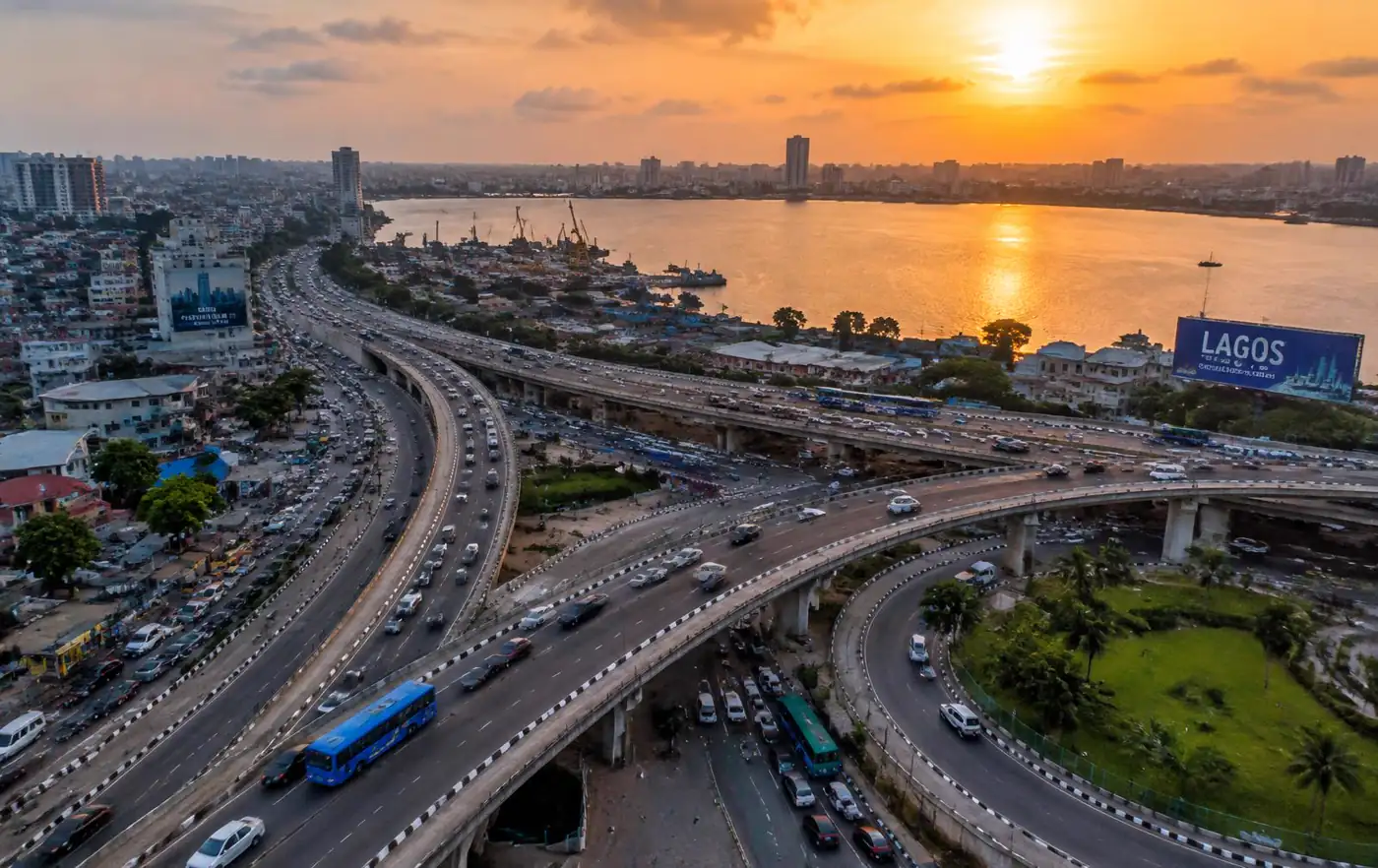
Lagos begins the most disruptive stage of a transport programme that officials say will cut commuting times, while residents wait for proof on the road.
The stretch of highway linking the mainland to the island carries close to a million journeys a day. From this week, sections of it will close in rotation as crews complete the dedicated bus corridor that planners consider the spine of the new network.
State officials describe the works as the point of no return for a programme first approved four years ago. Contracts for three interchanges have been signed, rolling stock for the rail extension is being commissioned, and traffic management teams have been given expanded powers over junctions that have long defeated them.
What changes for commuters
The immediate effect will feel like more disruption, not less. Diversions add roughly twenty minutes to peak journeys on the worst-affected routes, and informal transport operators have already raised fares on the corridors that lose lanes.
Officials argue the trade-off is short. Once the corridor opens, buses are expected to run on a headway of four minutes at peak, with electronic ticketing shared across bus and rail. The figures assume enforcement holds, which is where earlier attempts failed.
“The test is not the ribbon-cutting. It is whether a trader in Oshodi can plan her morning to the minute six months later.”Dr Folasade Ogunyemi, senior fellow in urban transport, Lagos Business School
The money and the deadlines
Financing combines state capital spending with development bank lending tied to delivery milestones. That structure gives the programme unusual discipline: missed milestones delay disbursement, and the contractors carry the cost of the delay.
Independent monitors are due to publish the first quarterly review before the end of the year. It will cover spending, completion rates and the resettlement payments owed to traders displaced by the corridor.
What happens next
Community consultations on the second phase begin this month in Ikeja and Yaba. The state has promised published minutes, a public complaints line and monthly updates on works that affect residential streets.
NewsRoomUpdate will track the commitments, the spending and the outcomes as each phase opens.
Sources and documents
- Lagos State Ministry of Transportation, corridor works schedule
- Lagos Metropolitan Area Transport Authority (LAMATA) project briefing
- Interviews with commuters and transport operators in Oshodi and Yaba
Spotted an error? Tell us and read our corrections policy.
Conversation
0 publishedJoin the discussion with a NewsRoomUpdate account. Comments are reviewed to keep the conversation constructive. Sign in to comment