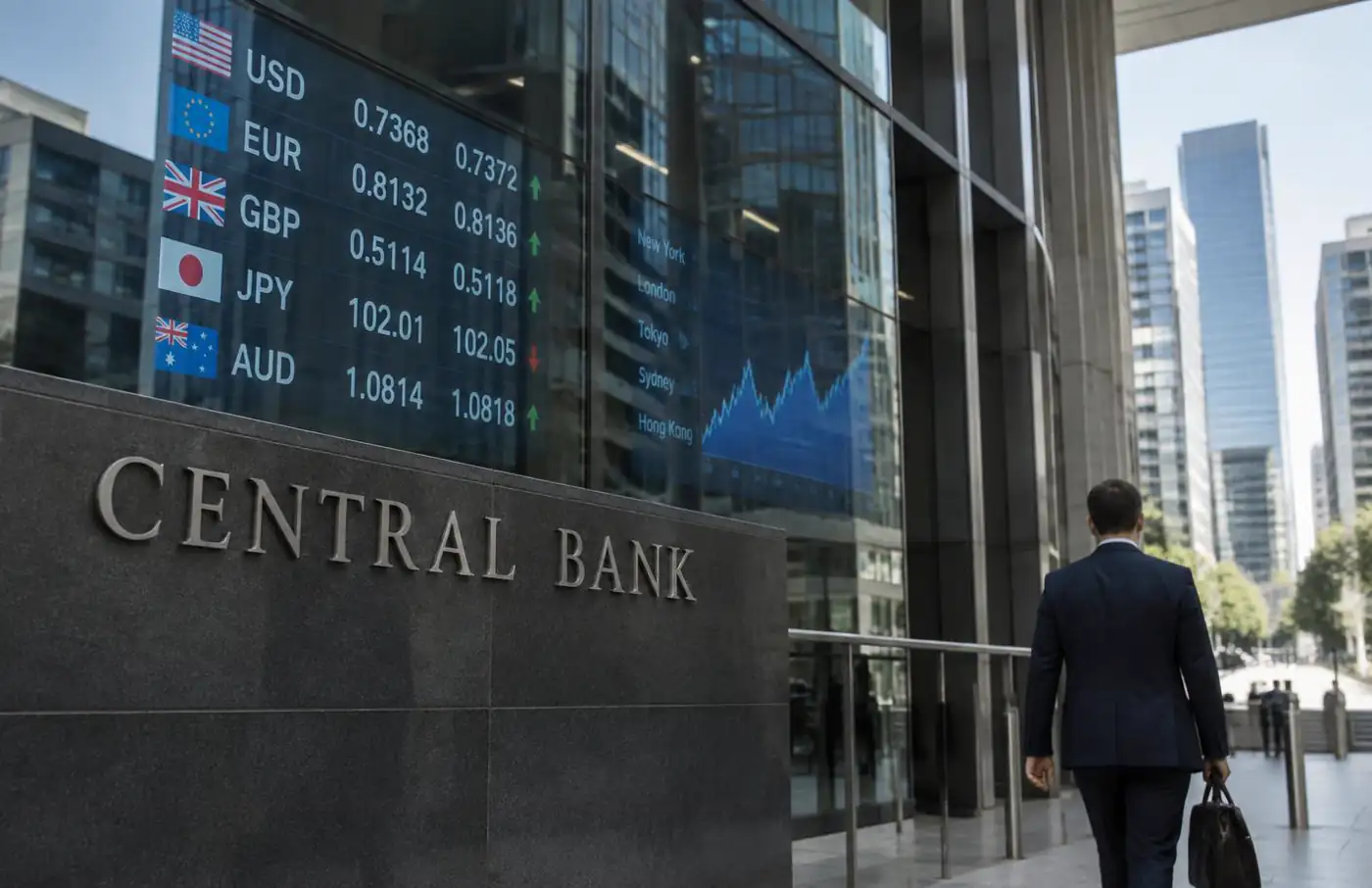
Currency stability has returned to the market for the first sustained stretch since 2024, on the back of non-oil export receipts and firmer reserves.
The gap between the official window and the parallel market has held under three per cent for eleven consecutive weeks, the longest such run since the reform of the exchange regime. Traders attribute it to steadier dollar supply and clearer rules on who can bid.
Non-oil exports, led by processed agricultural goods, fertiliser and cocoa derivatives, recorded their best quarter in two years. Manufacturers with dollar earnings say the shift has made medium-term planning possible again.
Where the pressure remains
Producers selling only into the domestic market have seen little relief. Electricity tariffs, diesel for backup generation and imported packaging still account for the largest share of cost increases reported in the quarter.
Lending remains expensive. Commercial rates for small manufacturers sit well above twenty per cent, and several firms said they are financing expansion from retained earnings rather than credit.
“Stability is not the same as affordability. We can plan now, but we still cannot borrow at a price that works.”Chiamaka Eze, managing director, Sapele Packaging, Ogun State
What to watch
The monetary policy committee meets next month against inflation that has eased for four straight readings. Analysts expect the first rate cut of the cycle, with the pace tied to how the reform bill passes.
Sources and documents
- Central Bank of Nigeria published exchange-rate and reserves data
- Nigerian Ports Authority cargo statistics
- Interviews with two exporters and one commercial bank treasurer
Spotted an error? Tell us and read our corrections policy.


Conversation
0 publishedJoin the discussion with a NewsRoomUpdate account. Comments are reviewed to keep the conversation constructive. Sign in to comment