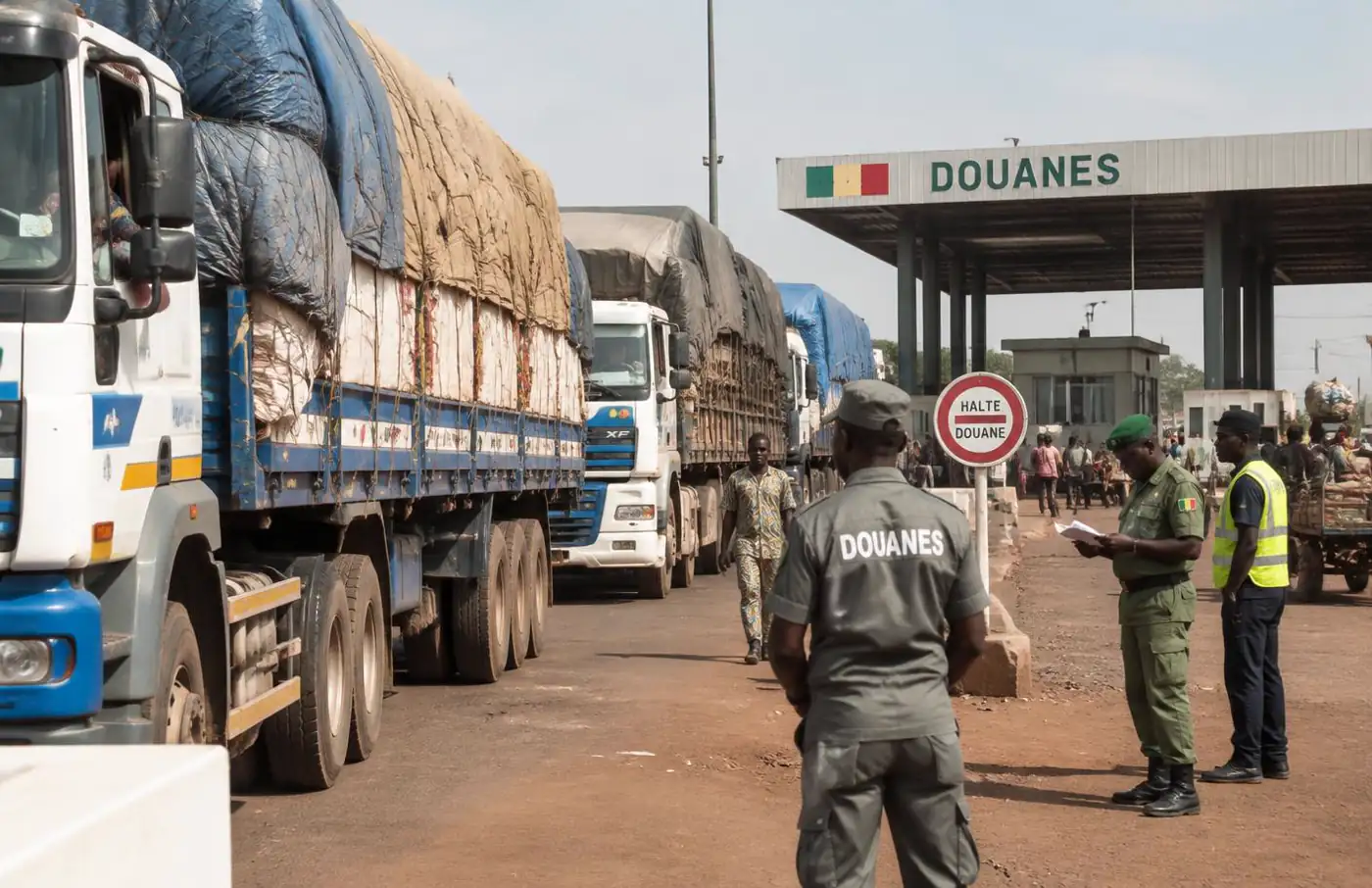
A framework agreed by regional leaders takes effect at eleven major crossings, promising shorter queues for the small traders who carry most of the volume.
At the busiest crossings, cargo has routinely waited longer to clear a regional border than to travel from Asia to the coast. The framework that took effect this week replaces separate national filings with a single electronic declaration recognised by every signatory.
Officials say clearance targets fall to six hours for pre-cleared consignments. Customs staff at two pilot posts have been retrained, and physical inspection is now meant to be triggered by risk scoring rather than discretion.
Who gains first
The immediate beneficiaries are the small and medium traders who move perishable goods. Losses from spoilage at the border have been among the largest hidden costs in regional food supply.
Freight operators are more cautious, noting that road conditions and informal levies on approach roads sit outside the agreement altogether.
“Paperwork was never the only barrier. Fix the document and you still meet the checkpoint twelve kilometres later.”Moussa Diallo, secretary, West African Road Transport Union
What happens next
A joint monitoring unit will publish crossing times monthly. Two further crossings join the framework in the first quarter of next year.
Sources and documents
- African Continental Free Trade Area secretariat documents
- ECOWAS trade committee communiqué
- Customs data published by participating states
Spotted an error? Tell us and read our corrections policy.



Conversation
0 publishedJoin the discussion with a NewsRoomUpdate account. Comments are reviewed to keep the conversation constructive. Sign in to comment