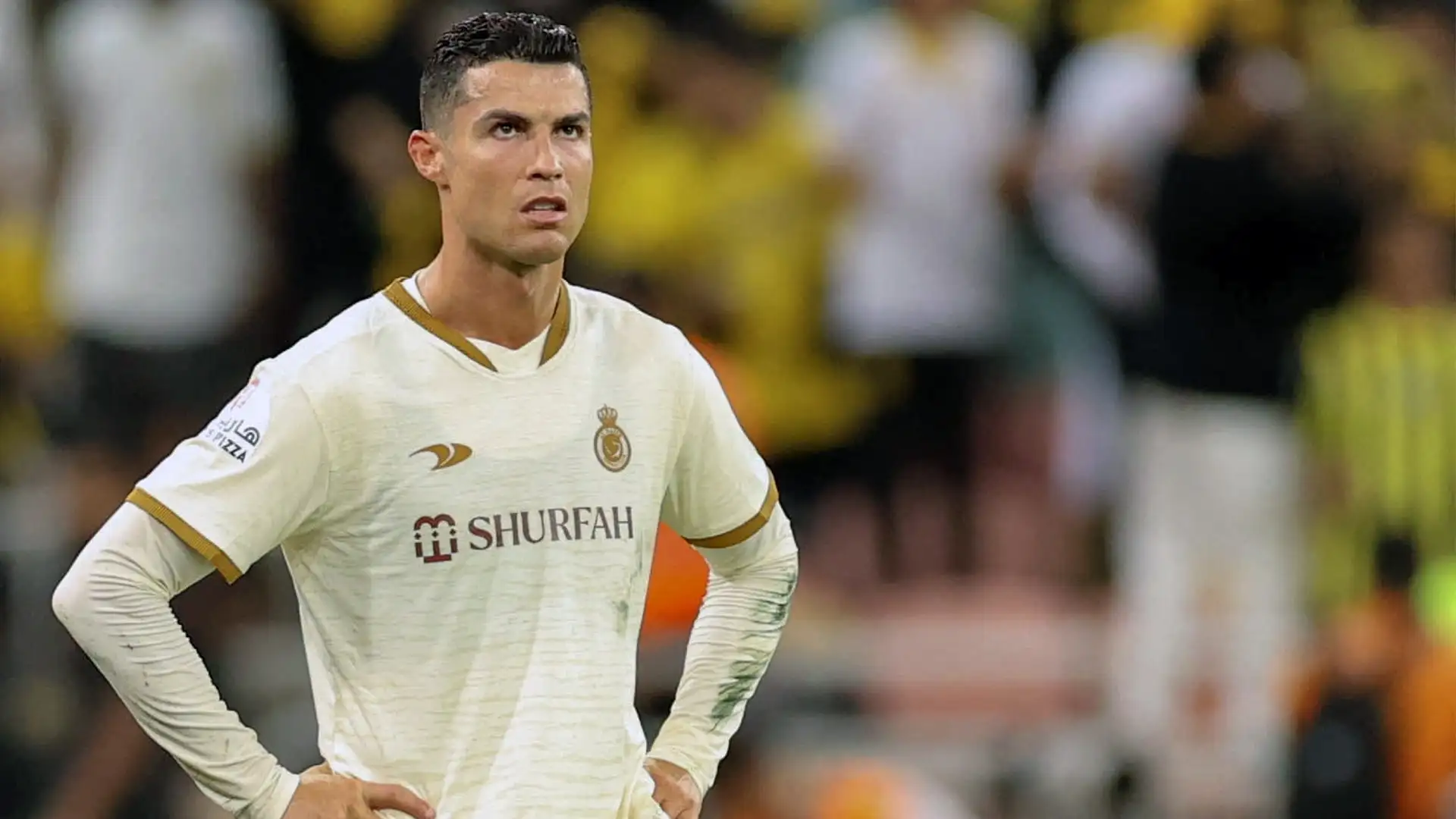
Cristiano Ronaldo dos Santos Aveiro was born on February 5, 1985, in Funchal, on the Portuguese island of Madeira. Long before his name became known around the world, he was a young boy with a strong passion for football and a dream of playing at the highest level.
Growing up in Madeira, Ronaldo developed his football skills through local teams and youth competitions. His determination and ability to stand out helped him attract attention at an early age.
His journey eventually took him away from home to pursue a professional football education. Joining Sporting CP's academy in Lisbon was a significant step, requiring him to leave his family and familiar surroundings while concentrating on his ambitions.
The experience helped prepare him for the demands of professional football. At Sporting CP, he developed his speed, dribbling, movement and confidence, qualities that would become important features of his playing style.
Sporting CP: The First Step Towards Stardom
Ronaldo progressed through Sporting CP's youth system before making his senior debut. His performances quickly drew attention because of his pace, technical ability and willingness to take on defenders.
In 2003, Sporting CP played a friendly against Manchester United. Ronaldo's display impressed the English club's players and manager Sir Alex Ferguson, helping lead to his transfer to Old Trafford.
The move marked the beginning of Ronaldo's rise from a promising Portuguese youngster to an international football star.
Manchester United: Becoming a Global Football Name.
Ronaldo joined Manchester United in 2003. At first, he was known for his tricks, quick feet and ability to beat opponents in one-on-one situations. Over time, he developed into a more direct and productive attacking player.
Under Ferguson's management, Ronaldo improved his finishing, decision-making and movement around the penalty area. He became an increasingly important part of United's attack.
During his first spell at the club, he helped Manchester United win three consecutive Premier League titles from 2006 to 2009 and the UEFA Champions League in 2008. His performances also earned him his first Ballon d'Or in 2008.
These achievements established him as one of the leading players in world football and prepared him for another major career move.
Real Madrid: A Record-Breaking Chapter.
In 2009, Ronaldo transferred to Real Madrid, where he entered one of the most productive periods of his career.
Playing in Spain, he developed into a prolific goalscorer whose performances combined speed, strength, aerial ability and accurate finishing. He scored in domestic competitions and repeatedly delivered in European matches.
Real Madrid's official records credit Ronaldo with 451 goals in 438 competitive appearances for the club. He helped the team win two La Liga titles and four UEFA Champions League trophies during his time in Madrid.
His individual achievements continued to grow, including additional Ballon d'Or awards. His performances also became part of the wider rivalry between Real Madrid and Barcelona during an era when both clubs featured some of football's most celebrated players.
Ronaldo left Real Madrid in 2018, having established himself as one of the most successful goalscorers in the club's history.
Juventus: A New Challenge in Italy.
Ronaldo joined Juventus in 2018, beginning a new chapter in Italy's Serie A.
The move challenged him to adapt to a different football environment. Juventus expected him to contribute goals, experience and leadership as the club pursued domestic and European success.
He continued scoring consistently and helped Juventus win Serie A titles. His time in Italy demonstrated his ability to remain productive across different leagues, tactical systems and styles of play.
After three seasons with Juventus, Ronaldo returned to Manchester United in 2021.
Returning to Manchester United.
Ronaldo's return to Manchester United in 2021 generated excitement among supporters who remembered his earlier achievements at the club.
During his second spell, he scored important goals and continued adding to his personal records. However, the period also brought challenges as the club went through changes in management and struggled for consistent team performance.
Ronaldo departed Manchester United in 2022, bringing his second spell at Old Trafford to an end.
His time at the club, both before and after his move to Spain and Italy, remains a major part of his football story.
Al Nassr: Continuing His Career in Saudi Arabia.
In December 2022, Ronaldo joined Al Nassr in Saudi Arabia. His arrival attracted worldwide attention and brought increased international interest to the Saudi Pro League.
The transfer represented a new phase in his career. After spending much of his professional life competing in European football, he began playing in a league that was investing in international talent and seeking to expand its global profile.
At Al Nassr, Ronaldo continued to score goals and pursue team honours. His performances remain closely followed by supporters who track his career totals and the milestones he may reach.
His Saudi Arabian chapter has also generated discussion about the growth of the league and the role established international players can play in increasing its visibility.
Cristiano Ronaldo's Career With Portugal.
Ronaldo's achievements extend beyond club football. He has represented Portugal at major international competitions for many years and has served as captain of the national team.
One of the defining moments of his international career came in 2016, when Portugal won the UEFA European Championship. Portugal later won the UEFA Nations League in 2019.
Ronaldo has also become known for his international goalscoring record and his longevity in the national team. Across multiple generations of Portuguese players, he has remained a prominent figure in the country's football history.
His international career has strengthened his reputation as a player capable of performing across a long period at the highest level.
His Playing Style and Strengths.
Ronaldo began his career primarily as a winger, using his pace and dribbling to move past defenders. As he matured, he became more focused on attacking positions and finishing opportunities.
His strengths include powerful shooting, aerial ability, movement inside the penalty area and the capacity to score with both feet. He has also built a reputation for maintaining high physical standards and adapting his game as his career has progressed.
His development from an exciting young winger into a prolific forward has been one of the most notable features of his career.
Major Achievements and Records.
Ronaldo's career includes major domestic and international honours, as well as individual awards.
Among his achievements are multiple Ballon d'Or awards, UEFA Champions League titles with Real Madrid and Manchester United, league titles in England, Spain and Italy, and international trophies with Portugal.
His scoring records across club and international football have made him one of the most prominent figures in the modern game. Exact career totals can vary depending on the competitions included and how statistical providers classify disputed goals.
His pursuit of further milestones continues to attract attention as he plays for Al Nassr.
Life Beyond the Football Pitch.
Ronaldo's influence extends beyond match days. He has developed a substantial international profile through commercial partnerships, public appearances and his presence on social media.
His career has also made him a familiar figure to audiences who may not regularly follow football. His name is associated with elite sport, personal branding and the global business surrounding professional football.
Despite the attention beyond the pitch, his professional identity remains closely linked to his performances, goals and achievements across several clubs and with Portugal.
Cristiano Ronaldo's Lasting Legacy.
Cristiano Ronaldo's journey from Madeira to international football stardom illustrates a career built over decades of competition, adaptation and sustained ambition.
His achievements at Manchester United, Real Madrid, Juventus and Al Nassr, together with his contributions to Portugal, have made him one of the most recognisable footballers of his generation.
As his career continues, supporters will keep watching his performances and the records he may yet add to his name. His legacy will be measured not only by the number of goals he scores, but also by the influence he has had on clubs, national-team football and audiences around the world.


Conversation
0 publishedJoin the discussion with a NewsRoomUpdate account. Comments are reviewed to keep the conversation constructive. Sign in to comment