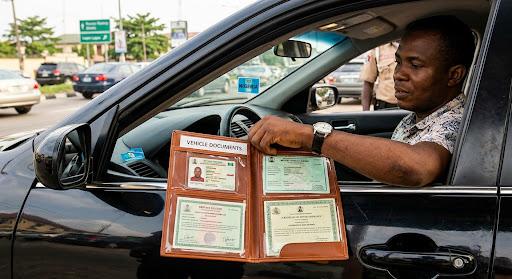
Driving in Nigeria means sharing the road with other motorists, passengers and road safety officers. You may be stopped at a checkpoint or asked to present your documents during a routine inspection. If your papers are missing, expired or difficult to locate, a simple journey can become stressful.
The first important document is your driver’s licence. It shows that you are authorised to drive the category of vehicle stated on the licence. Check the expiry date and confirm that the licence covers the vehicle you operate. If you drive a motorcycle, tricycle, bus or truck for work, make sure you have the appropriate licence class.
You should also keep your vehicle licence and proof of ownership available. These documents help establish the vehicle’s registration and ownership details. If you bought a used vehicle, ensure the ownership records have been properly updated. Keep your documents organised so you can present the correct ones when required.
Another important document is your motor insurance certificate. Motor insurance is compulsory in Nigeria, and the certificate provides evidence of the cover you have purchased. Check that the policy is valid and that the vehicle details are correct. Remember that third-party insurance generally covers liability for injury or damage caused to other people, not repairs to your own vehicle.
Depending on your vehicle and the rules that apply in your state, you may also need a roadworthiness certificate and additional permits. Commercial vehicles can have requirements that do not apply to private cars. For example, vehicles used to carry passengers for hire may need the relevant permit. Confirm the requirements for your vehicle type and operating location instead of assuming every vehicle needs exactly the same documents.
Do not wait until an officer asks for your papers before checking them. Set aside a few minutes to review your documents regularly. Check expiry dates, renew documents before they become invalid and keep digital copies as a backup where appropriate. A digital copy may help you retrieve information, but it should not be assumed to replace an original document whenever one is legally required.
If you use a vehicle owned by another person or a company, ask which documents you are expected to carry. Make sure you know where the papers are kept and that they match the vehicle you are driving. Never alter a document or present false information. If you are unsure about a requirement, confirm it with the relevant licensing or road safety authority.
Being prepared is part of responsible driving. Keep your documents organised, maintain your vehicle and learn how to respond calmly during roadside checks. Driver education can also help you understand road safety, your responsibilities and where to seek reliable guidance. The more prepared you are before leaving home, the better equipped you will be to handle unexpected situations on the road.



Conversation
0 publishedJoin the discussion with a NewsRoomUpdate account. Comments are reviewed to keep the conversation constructive. Sign in to comment