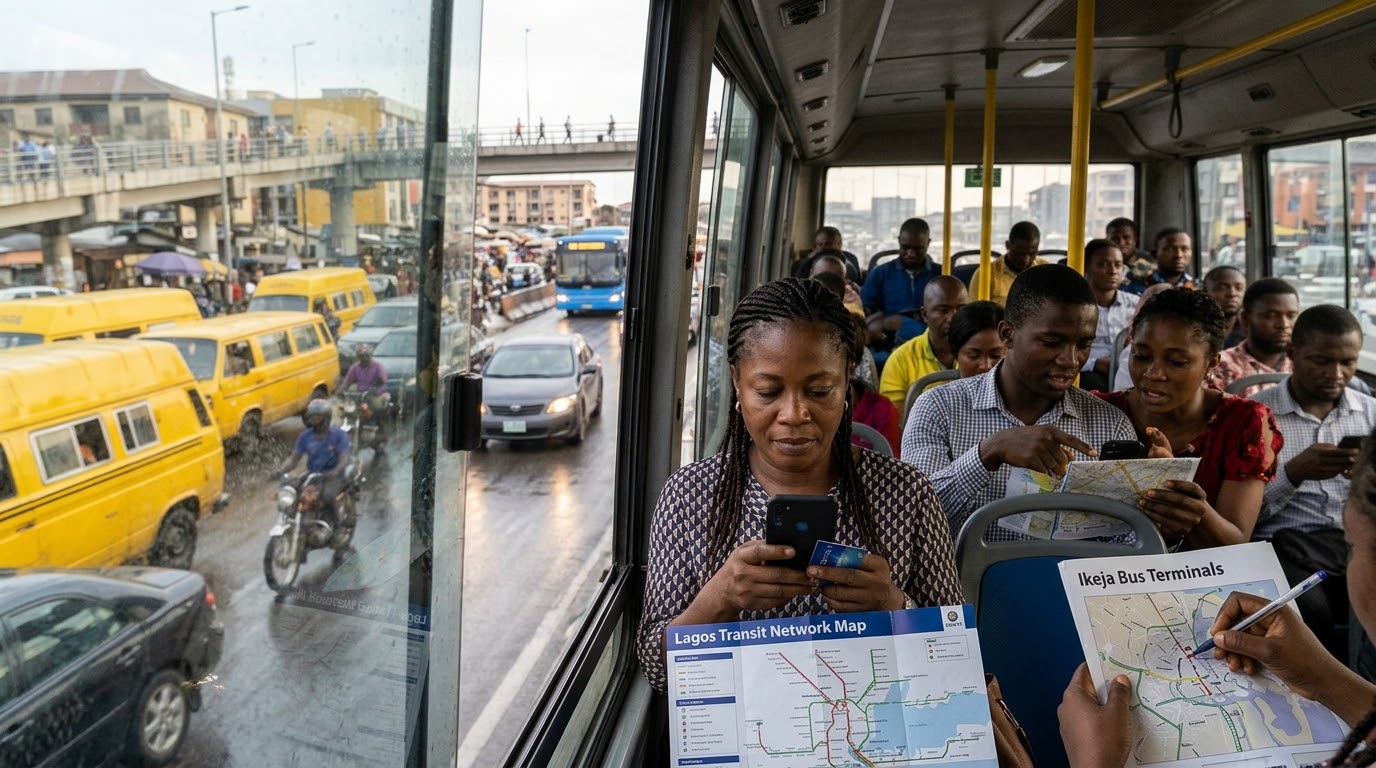
Living in a Nigerian city often means planning your day around movement. A short distance can take much longer than expected because of traffic, road repairs, overcrowded buses or sudden changes in transport availability. Without a plan, commuters can spend more money than necessary and still arrive late.
The first step is to understand your regular journey. Consider how long it usually takes to travel from home to work, school or your business during different periods of the day. Do not plan around the best possible journey alone. Allow extra time for heavy traffic, rain, road diversions and other delays that may affect your route.
Transport costs also deserve attention. Paying for several separate journeys, changing vehicles repeatedly or taking a more expensive option because you left home late can gradually affect your budget. Keep track of your daily transport spending for at least a week. This gives you a clearer picture of what you spend and helps you identify where adjustments may be possible.
Choosing a route involves more than finding the shortest distance. A slightly longer route may be more reliable, easier to navigate or less expensive. Compare available options based on cost, journey time, safety and convenience. Where public transport is practical, understand the available routes, usual fares and likely waiting times before setting out.
Preparation can prevent avoidable stress. Check your schedule the night before, charge your phone and keep essential items ready. If you need to attend an important meeting, arrive at an unfamiliar location or travel during a busy period, leave earlier than you normally would. Keeping emergency transport money aside can also help when your usual option is unavailable.
Weather and road conditions matter too. Heavy rain can slow traffic, affect some roads and make waiting outdoors uncomfortable. Check conditions before leaving, wear suitable footwear and carry items that help you manage the weather. If your journey involves walking between transport stops, consider the distance and whether the route is safe and practical.
For people who work remotely or have some control over their schedules, adjusting departure times may help reduce the pressure of peak-hour travel. Where your workplace permits it, discuss flexible starting times or occasional remote work. Small changes to a routine can make a difference when they reduce repeated delays and unnecessary spending.
Commuters should also think about their safety. Use recognised transport options, remain aware of your surroundings and avoid displaying valuables unnecessarily. When travelling late, consider how you will get home before accepting an invitation or making additional plans. Saving a little money is not worth taking an avoidable risk.
A successful commuting routine does not have to be complicated. Knowing your routes, budgeting for fares, preparing ahead and allowing time for unexpected delays can make city travel more manageable. Over time, these habits can help you protect your money, arrive with less stress and use your time more effectively.
Conversation
0 publishedJoin the discussion with a NewsRoomUpdate account. Comments are reviewed to keep the conversation constructive. Sign in to comment