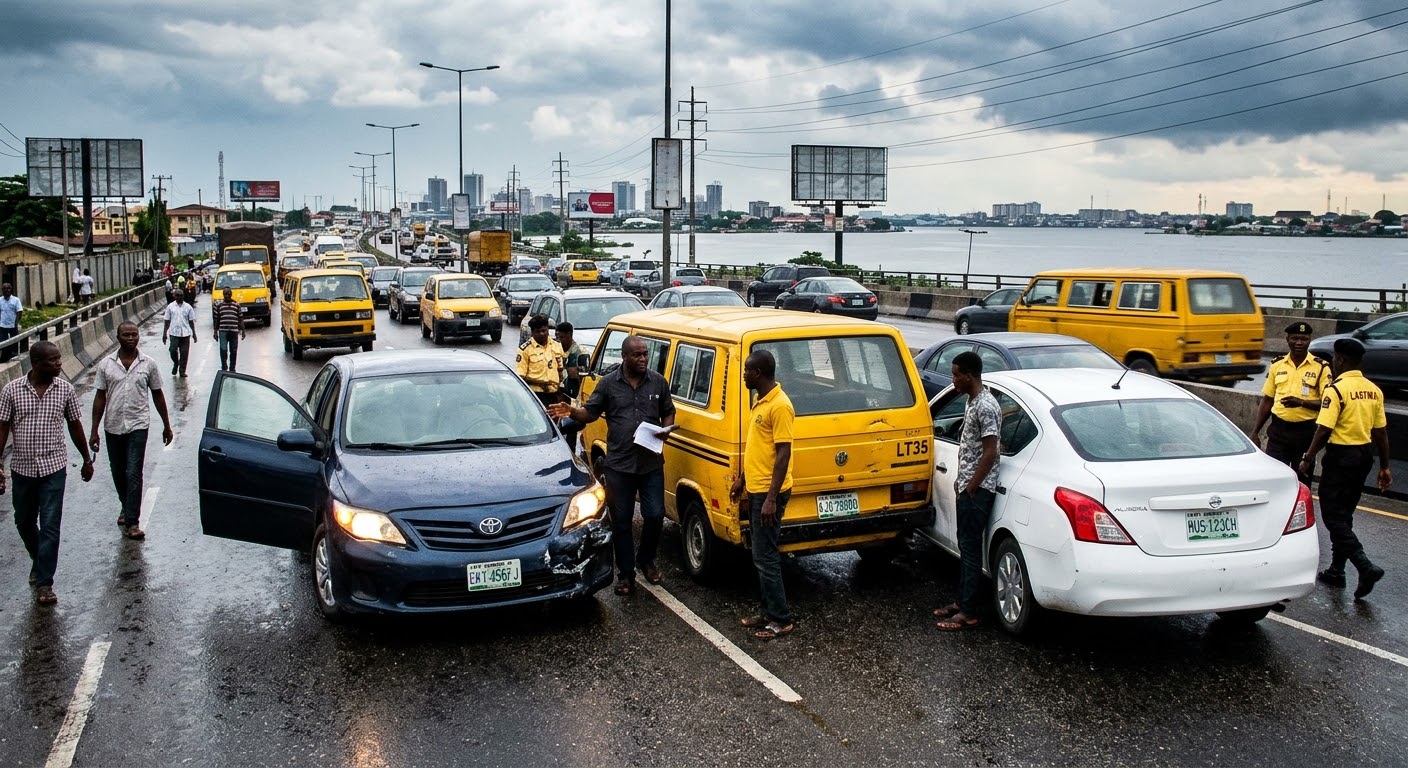
Many drivers buy insurance because they need valid documents for their vehicles. However, having an insurance certificate does not automatically mean every accident-related expense will be covered. The type of policy you have, its limits and its conditions all matter.
What Does Third-Party Motor Insurance Cover?
Third-party motor insurance is the basic compulsory motor cover for vehicles in Nigeria. It is designed to cover certain liabilities to other people when your vehicle causes an accident.
For example, imagine you accidentally damage another person’s car while driving. Depending on the circumstances and the policy, third-party insurance may cover your legal liability for the damage. It may also cover certain liabilities involving injury or death to other people.
However, third-party insurance does not generally cover repairs to your own vehicle. If your car is damaged in an accident, you may have to pay for your own repairs unless another applicable policy or legal recovery covers the loss.
This is why drivers should not assume that having insurance means they are protected against every possible expense.
How Is Comprehensive Insurance Different?
Comprehensive motor insurance can provide wider protection than third-party cover. Depending on the policy, it may cover damage to your own vehicle and certain third-party liabilities. Some policies also cover risks such as theft or fire.
The word “comprehensive” does not mean that every loss is automatically covered. Exclusions, excess payments, policy limits and other conditions may apply. Before buying, ask the insurer to explain what is covered and what is not.
You should also make sure the policy matches how you use your vehicle. A private car, taxi, delivery vehicle and commercial bus may have different insurance needs. Give accurate information when requesting a quote so you can understand which cover is suitable for your circumstances.
What Should You Check Before Buying?
Start by confirming the insurance provider and the type of policy being offered. Check the vehicle details, the period of cover and the risks included. Ask how to verify the policy and what documents you would need if you made a claim.
Do not rely on price alone or assume that a document is genuine simply because someone has issued it. Keep your policy details accessible and make a note of the insurer’s official claims contact.
Drivers can find vehicle insurance solutions on Trevora Marketplace, making it easier to explore insurance options that support their needs on the road.
What Should You Do After an Accident?
Put safety first. Check whether anyone is injured, move away from immediate danger if it is safe to do so, and contact emergency services when needed. In Nigeria, the Federal Road Safety Corps lists 122 as its toll-free emergency number. The national emergency number is 112.
When it is safe, record the vehicles involved, registration numbers and relevant details. Take photographs only if doing so will not expose you to traffic or other danger. Notify your insurer promptly and ask what information is needed to report the incident.
Do not assume that every claim will be approved or that every repair will be paid for. Follow the policy’s reporting process, keep records and ask for clarification if you do not understand a request.
Motor insurance cannot prevent every accident, but understanding your cover can help you prepare for its financial consequences. Check your policy before your next journey, not when you are already dealing with a stressful situation.

Conversation
0 publishedJoin the discussion with a NewsRoomUpdate account. Comments are reviewed to keep the conversation constructive. Sign in to comment