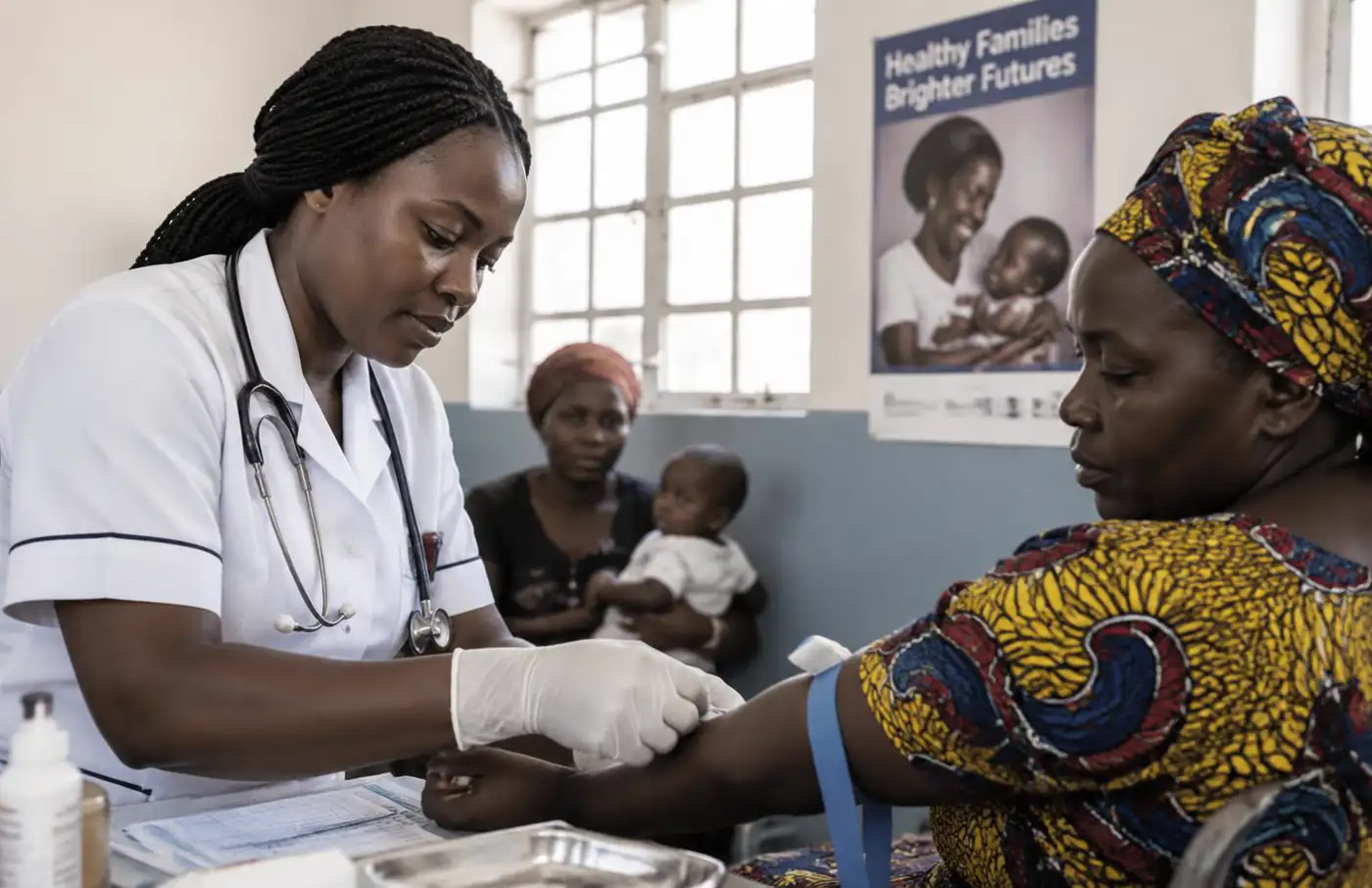
Thousands of primary centres have been re-equipped over two years, and early data shows fewer avoidable hospital admissions.
The logic is simple and long overdue: conditions that can be treated near home should not travel to a tertiary hospital. Antenatal care, childhood immunisation, malaria treatment and hypertension management account for most of the shift.
Clinics that received consistent supply and at least one additional qualified nurse recorded the largest increases in attendance. Where staffing did not change, equipment alone made little difference.
The staffing question
Recruitment remains the binding constraint. Rural postings are hard to fill, and emigration among nurses and midwives has continued at a pace that outstrips training output.
Several states have introduced housing and transport allowances tied to rural service, with retention measured over three years rather than one.
“Equipment without a nurse is a storeroom. The investment only works when someone is there every day.”Hauwa Bello, primary health care coordinator, Niger State
What to watch
The next national health accounts release will show whether out-of-pocket spending on routine care has fallen alongside the increase in clinic attendance.
Sources and documents
- Federal Ministry of Health facility register
- State budget allocations for primary health care
- Visits to eleven health centres and interviews with staff
Spotted an error? Tell us and read our corrections policy.



Conversation
0 publishedJoin the discussion with a NewsRoomUpdate account. Comments are reviewed to keep the conversation constructive. Sign in to comment