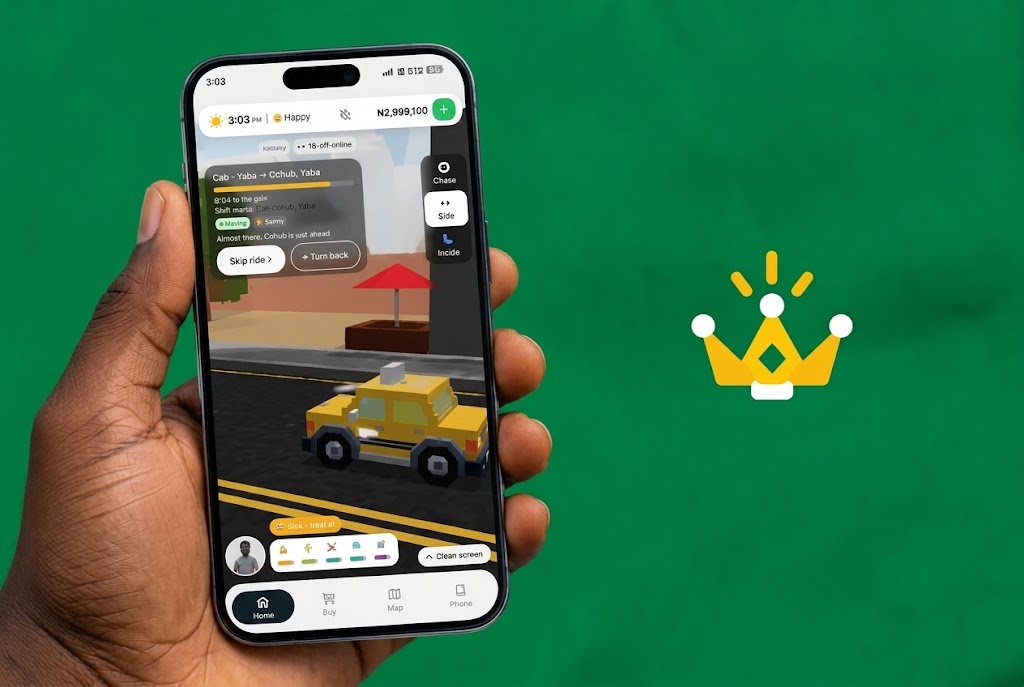
When software developer Ijeoma Shalom Rayhamen released a modest web game on October 1, 2026, the goal was simple. She wanted to test whether the distinct rhythms and social quirks of Nigeria's largest city could work as a browser simulation.
Within days, the project took over social feeds, drew in millions of active participants, and captured the attention of top African venture investors. Known simply as Lagos Life, the title turned everyday urban survival into an engaging digital community accessible on any smartphone without downloading an app.
Origins and the Philosophy of Localised Simulation
Rayhamen, a UK-based Nigerian software engineer who goes online as Shalom Rayhamen, grew up playing global life simulation titles such as The Sims 3. Those franchises set their worlds in comfortable suburban environments, leaving little room for the chaotic energy of African metropolises.
The creative push came after watching casual mobile games gain traction in Nigeria, including titles focused on navigating yellow transit buses through chaotic traffic jams. Partnering with co-founders Owen Rayhamen and Anderson Oriahi, Rayhamen combined modern web frameworks with artificial intelligence tools to assemble an interactive prototype in record time.
The development team prioritised widespread accessibility from the start. Rather than building a large native app that consumes phone storage and requires expensive downloads, Lagos Life runs straight inside a mobile web browser. This single architectural choice lowered barriers to entry across markets where data costs and device capacity often dictate consumer behaviour.
Inside the Mechanics of Virtual Urban Survival
The game introduces players to a sharp bit of social commentary immediately upon arrival. Every new character is subject to a birth lottery, receiving either a Nepo or a Lapo starting status. Nepo characters begin with family wealth and elite connections, while Lapo players start with empty pockets and must rely on high-interest microloans to survive their first week.
From that opening moment, players must carefully balance stamina, hunger, shelter, and financial obligations. Available careers range from software engineering and banking to trading in open markets or driving commercial buses across town. Virtual rent arrives every Saturday, imposing penalties on anyone who fails to budget their earnings.
The simulation incorporates the familiar frictions of everyday life in Lagos. Players navigate sudden power cuts that demand generator fuel, endure long transit delays between mainland neighbourhoods and the island, and cast votes in local elections to pick community administrators. The blend of satirical humour and relatable hardship quickly turned the game into a shared cultural experience.
Viral Adoption and Rapid Corporate Formation
The public response outpaced all expectations. Within five days of its launch, Lagos Life crossed one million participants, with concurrent traffic routinely surpassing one hundred thousand active players at peak hours.
By the second week, internal dashboards recorded more than ten million user accounts across Nigeria, the diaspora, and international gaming communities. While these figures represent company metrics rather than third-party audits, the surge was clear across digital platforms, where users formed neighbourhood associations, shared survival strategies, and complained about virtual landlords.
To manage the heavy server traffic and establish a long-term product roadmap, the founders incorporated Vatar Incorporated on October 6, 2026. Within days, Vatar closed a five hundred thousand dollar pre-seed round at a ten million dollar valuation. The round drew notable technology leaders, including Flutterwave chief executive Olugbenga Agboola through Resilience17, Mono co-founder Abdulhamid Hassan, Terra Industries chief executive Nathan Nwachuku, and angel investor Oo Nwoye.
Monetisation, Scams, and Governance Challenges
Rapid growth brought immediate operational hurdles. The development team introduced an eighteen-plus registration requirement to protect younger audiences after adult conversations began emerging in multiplayer chat spaces.
The team also had to counter widespread financial misinformation. Because players earn virtual naira through simulated labour, fraudulent accounts circulated rumours that users could withdraw their balances into real bank accounts. Vatar clarified that virtual currency cannot be converted into real funds and warned the public against scam applications using the game's identity.
Vatar focused its commercial model on native brand partnerships and virtual real estate. Consumer brands pay to display advertising on busy in-game avenues, local companies sponsor virtual storefronts, and independent musicians licence their songs to play inside community gathering spots.
The Future of African Virtual Worlds
Vatar plans to expand its simulation model to other major cities across emerging markets, creating connected digital environments that reflect authentic regional culture.
The rapid rise of Lagos Life shows that cultural relevance and lightweight browser delivery can unlock vast, engaged audiences. By transforming local urban reality into accessible digital entertainment, the project has established a new benchmark for independent creators across the continent.
Independent Game Publishing and Digital Strategy
For founders and independent developers looking to build interactive products in emerging markets, understanding lightweight web architecture is essential. The African Digital Entertainment and Game Development Guide offers practical insights into building browser games, scaling cloud infrastructure, and creating culturally relevant digital experiences for connected audiences.
Lagos Life game, Nigerian gaming industry, Vatar browser simulation, Shalom Rayhamen, African tech startups, web games
Unverified facts:
- The game launched on October 1, 2026, as a free browser-based title without app store downloads.
- Created by Ijeoma Shalom Rayhamen with co-founders Owen Rayhamen and Anderson Oriahi.
- Incorporated as Vatar Incorporated on October 6, 2026.
- Raised a $500,000 angel investment round at a $10 million indicative valuation announced on October 9, 2026.
- Confirmed investors include Olugbenga Agboola, Abdulhamid Hassan, Nathan Nwachuku, and Oo Nwoye.
- Key mechanics include the Nepo versus Lapo economic lottery, hunger meters, weekly rent, municipal jobs, and community voting.
- In-game currency possesses no real-world cashout value.



Conversation
0 publishedJoin the discussion with a NewsRoomUpdate account. Comments are reviewed to keep the conversation constructive. Sign in to comment