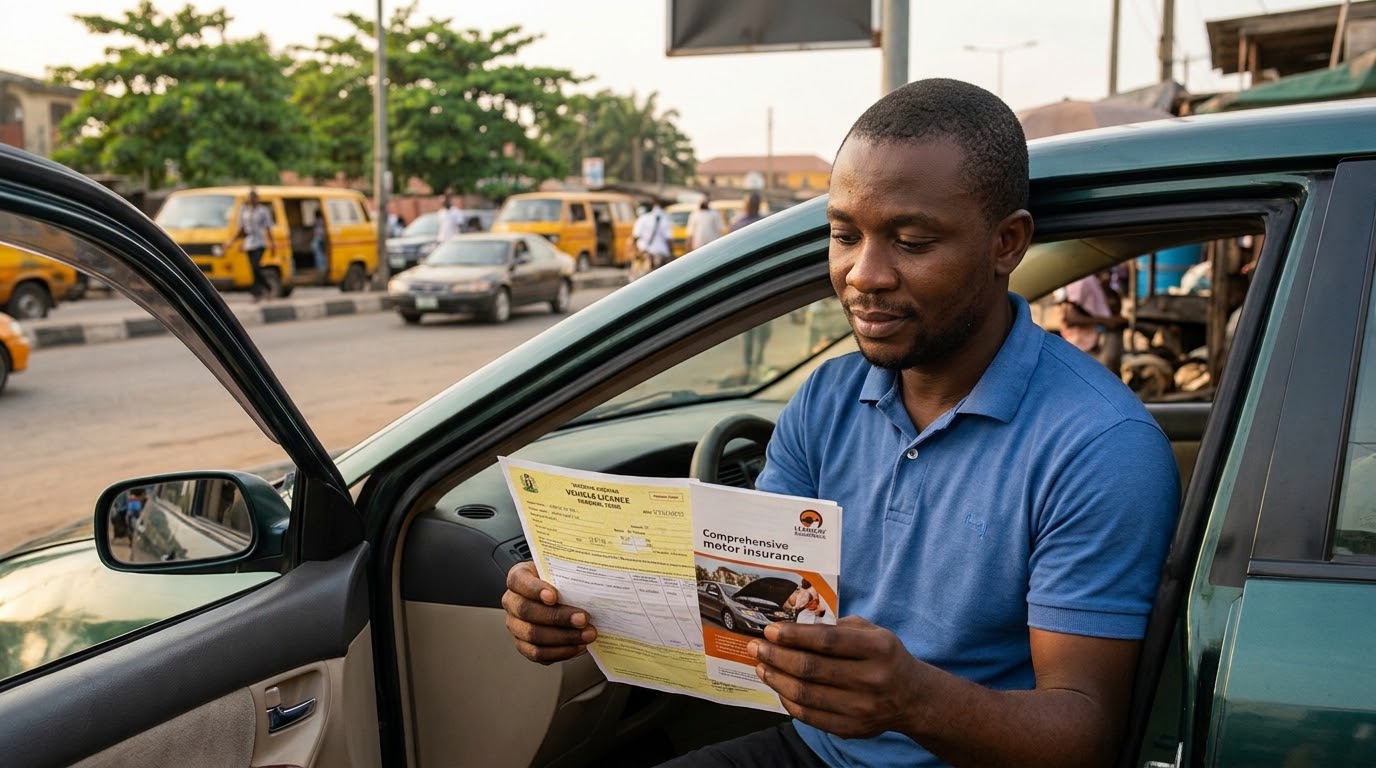
Owning a vehicle comes with more than the cost of buying fuel and servicing the engine. An accident, theft or damage can create an unexpected financial burden, especially when a driver has not planned for it. Vehicle insurance can help reduce some of that burden, but only when the policy matches the driver’s needs and the circumstances are covered.
Before buying a policy, drivers should understand the difference between third-party motor insurance and comprehensive insurance. Third-party cover generally protects against specified liabilities to other people, including injury or property damage caused by the insured vehicle, subject to the policy terms. It does not normally pay for damage to the policyholder’s own vehicle.
Comprehensive insurance generally provides broader protection. Depending on the policy, it may cover damage to the insured vehicle as well as certain third-party liabilities. However, comprehensive does not mean every possible loss is covered. Drivers must check exclusions, excess payments, limits and any conditions that could affect a claim.
The right choice depends on the vehicle, its value, how often it is used and what the owner can afford to lose. Someone who depends on a vehicle for daily business may have different needs from a person who drives occasionally. A newer or more expensive vehicle may also justify considering broader cover, provided the policy offers suitable protection at a manageable cost.
Price should not be the only factor when comparing insurance. Two policies that appear similar may differ in their coverage limits, exclusions, claims procedures and additional benefits. Drivers should ask what the policy covers, what it excludes, how claims are submitted and which documents are required after an accident. They should also confirm the insurer’s identity and verify the policy through the appropriate official channels.
Motorists should pay attention to the information supplied when purchasing cover. Incorrect vehicle details, inaccurate personal information or incomplete documentation can create complications when a claim is made. Keep the policy documents, payment evidence and relevant contact details somewhere accessible, and check the effective and expiry dates so that the cover does not lapse unexpectedly.
It is also important to understand that insurance does not replace regular vehicle maintenance. Worn tyres, faulty brakes, neglected servicing and other preventable problems can still put drivers and passengers at risk. Keeping the vehicle in good condition helps support safer driving, while maintaining records of repairs and servicing makes it easier to track expenses and identify recurring faults.
Vehicle insurance is one part of a wider plan for managing the cost of owning a car. Drivers should budget for servicing, tyres, repairs, fuel and other routine expenses alongside their insurance premium. Comparing policies carefully, asking questions before paying and keeping documents up to date can help motorists make decisions based on actual protection rather than price alone.
The goal is not simply to buy the cheapest policy. It is to understand what protection is being purchased, what financial risks remain and whether the cover suits the vehicle and the driver’s circumstances.



Conversation
0 publishedJoin the discussion with a NewsRoomUpdate account. Comments are reviewed to keep the conversation constructive. Sign in to comment