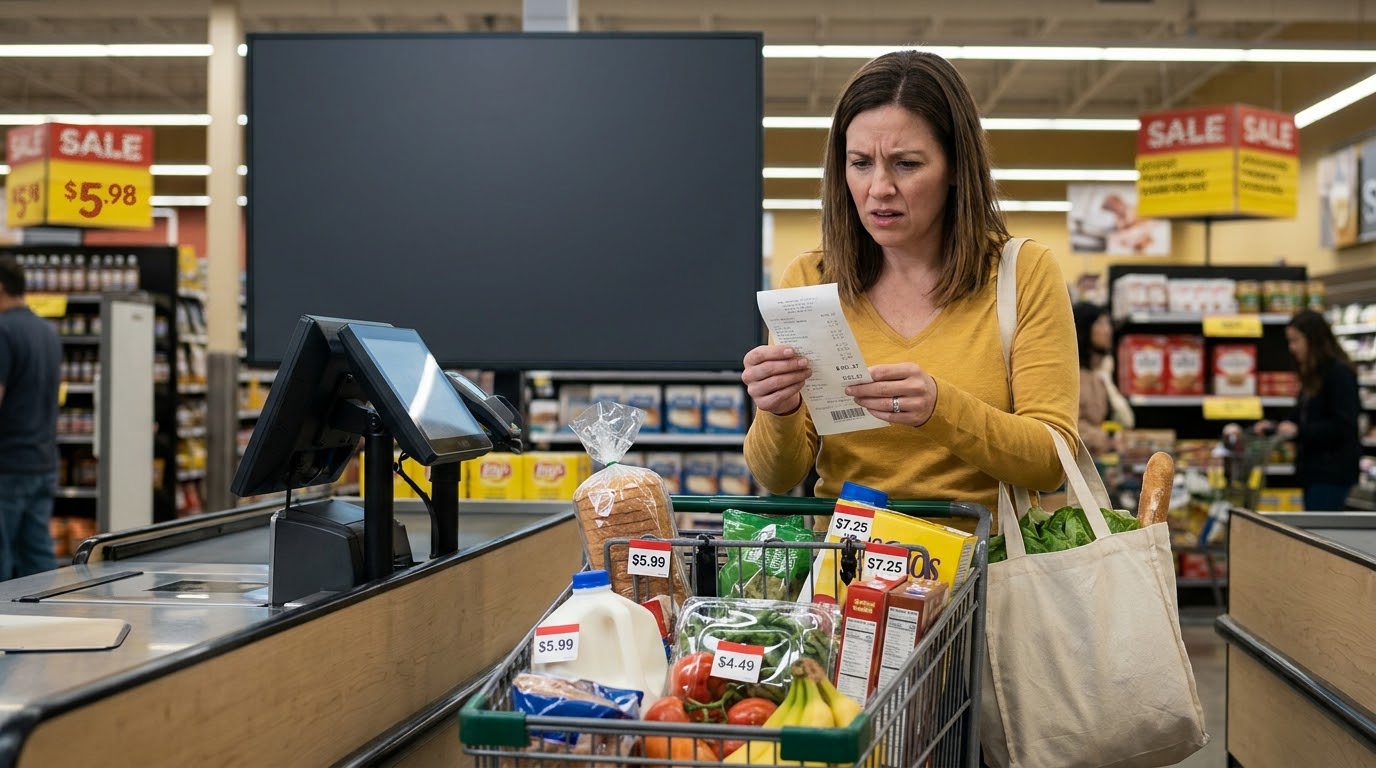
Many people hear that inflation is falling and expect food, transport, rent and other everyday expenses to become cheaper. But when they visit the market or pay their bills, they may discover that prices have barely changed or are still increasing.
This can make economic reports difficult to understand. If inflation is going down, why does it still feel expensive to live?
The answer lies in understanding what inflation actually measures.
Inflation is the rate at which the general prices of goods and services increase over time. It does not measure whether those goods and services are cheap or expensive. When inflation falls, it usually means prices are increasing more slowly than before. It does not automatically mean that shops and markets will reduce their prices.
For example, imagine a bag of rice that increased from ₦40,000 to ₦60,000 within a year. If inflation begins to slow, the price may increase more gradually instead of rising sharply. However, the bag of rice may still cost more than it did before. The reduction in the inflation rate does not automatically return the price to ₦40,000.
This is why people can hear positive inflation news and still struggle with the cost of living.
Food is one of the clearest examples. Households buy food regularly, so even small increases in the prices of rice, beans, garri, vegetables, cooking oil and other essentials can affect monthly budgets. When food prices remain high, families may have to reduce the quantity they buy, change what they eat or spend more money than they planned.
The same situation can affect transportation, electricity, rent, healthcare and other household expenses. Even when the rate of price increases slows, the money people need to maintain their normal lifestyle may remain high.
Another important factor is income. When prices increase faster than salaries, workers lose purchasing power. This means the same amount of money can no longer buy as many things as it used to.
For example, someone who earns ₦100,000 monthly may have been able to cover food, transport and other basic expenses with that amount in the past. But if those expenses become more expensive and their salary remains unchanged, they will have less money available for other needs.
This is why changes in inflation must be considered alongside wages, employment opportunities and the actual cost of essential goods.
Businesses also play a role in how prices respond to changes in the economy. A trader who buys goods at a higher wholesale price may not immediately reduce selling prices simply because inflation has slowed. Transport costs, storage expenses, electricity bills, rent and other operating costs can also influence the final price customers pay.
In some cases, businesses may need time before they can adjust their prices. In other situations, the cost of producing or transporting goods may remain high, preventing prices from falling.
Understanding the difference between inflation and the general price level can help people make better financial decisions. It also helps readers assess economic reports more carefully instead of assuming that every improvement in an inflation figure means immediate relief for households.
For individuals and families, practical financial planning remains important. Keeping track of regular expenses, comparing prices before buying, reducing unnecessary spending and setting aside money for emergencies can help households manage periods of high living costs.
It is also useful to review spending habits regularly. A household budget that worked six months ago may no longer be suitable if food, transport or utility expenses have changed. Adjusting spending plans to reflect current prices can help prevent unnecessary financial pressure.
Economic improvement is important, but its benefits become more meaningful when people begin to experience them in their daily lives. Lower inflation can be a positive development, but affordable food, manageable transport costs, better incomes and improved purchasing power are equally important measures of economic progress.
Understanding what inflation means helps people separate economic headlines from their personal financial reality. It also makes it easier to follow changes in the economy and understand how those changes affect everyday decisions.



Conversation
0 publishedJoin the discussion with a NewsRoomUpdate account. Comments are reviewed to keep the conversation constructive. Sign in to comment