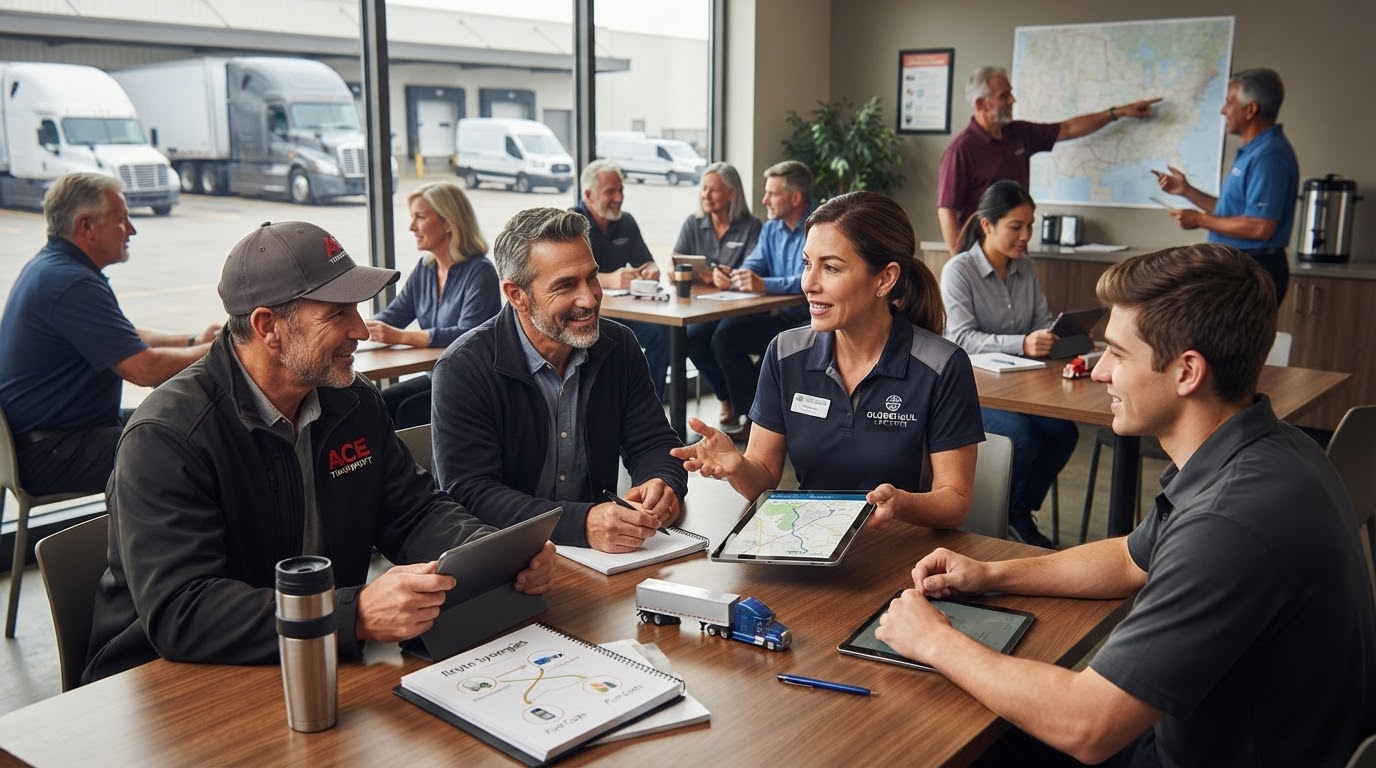
Professional driving involves more than spending hours behind the wheel. Drivers interact with passengers, vehicle owners, transport companies, mechanics and other professionals who influence different parts of the industry. Building good relationships with these people can create advantages that go beyond daily work.
Networking allows drivers to connect with people who may have useful knowledge, experience or information. These relationships can help them understand industry developments, learn better ways to work and become aware of opportunities they might not discover on their own.
One major benefit of networking is access to information. A fellow driver may know about a new transport service operating in an area, while a vehicle owner may have useful advice about managing vehicle costs. These conversations can help drivers make more informed decisions about their work.
Building these relationships requires effort. Drivers can begin by maintaining respectful connections with colleagues, customers, vehicle owners and other transport professionals. They can also participate in relevant driver communities and industry discussions. Practical steps for building useful professional connections include communicating respectfully, sharing helpful information and maintaining relationships beyond the moments when assistance is needed.
Networking can also help drivers discover work opportunities. Professional contacts may share information about vacancies, transport contracts, fleet requirements or other openings. While no connection guarantees employment, having a wider professional network can make it easier to hear about opportunities and understand what they require.
Another advantage is learning from experience. Drivers face different challenges depending on the type of vehicle they operate, the routes they cover and the customers they serve. Discussing these experiences can introduce new ways to handle difficult situations, manage expenses, maintain vehicles and improve customer service.
Professional relationships can also support business development. A driver interested in owning a vehicle or establishing a transport business may benefit from conversations with experienced vehicle owners, operators and service providers. These contacts can provide practical insights into the responsibilities and costs involved before the driver makes a major decision.
However, networking should not be treated as simply collecting phone numbers or adding people to social media accounts. The quality of a relationship matters more than the number of contacts. Trust, honesty, reliability and mutual respect are what make professional connections useful over time.
Digital platforms have made networking easier. Drivers can use online communities and messaging groups to exchange information, ask questions and stay connected with people in different locations. They should still be careful about unverified job offers, suspicious payment requests and sharing personal documents with people they do not know.
Drivers should also contribute to their professional communities. Sharing useful information, answering questions when possible and supporting other members can help build stronger relationships. Networking works best when people are willing to give as well as receive support.
This is one reason professional driver communities are valuable. VAYA provides a platform for driver education, guidance and community engagement. Through VAYA Drivers Club, drivers can connect with other professionals, participate in community discussions, ask questions and stay informed about relevant opportunities and updates.
The professional driving industry depends on many people and services working together. Drivers who build genuine relationships can benefit from shared knowledge, stronger support systems and greater awareness of what is happening around them.
Networking may not produce immediate results, but maintaining useful professional connections can contribute to a driver’s knowledge, confidence and long term career development.



Conversation
0 publishedJoin the discussion with a NewsRoomUpdate account. Comments are reviewed to keep the conversation constructive. Sign in to comment