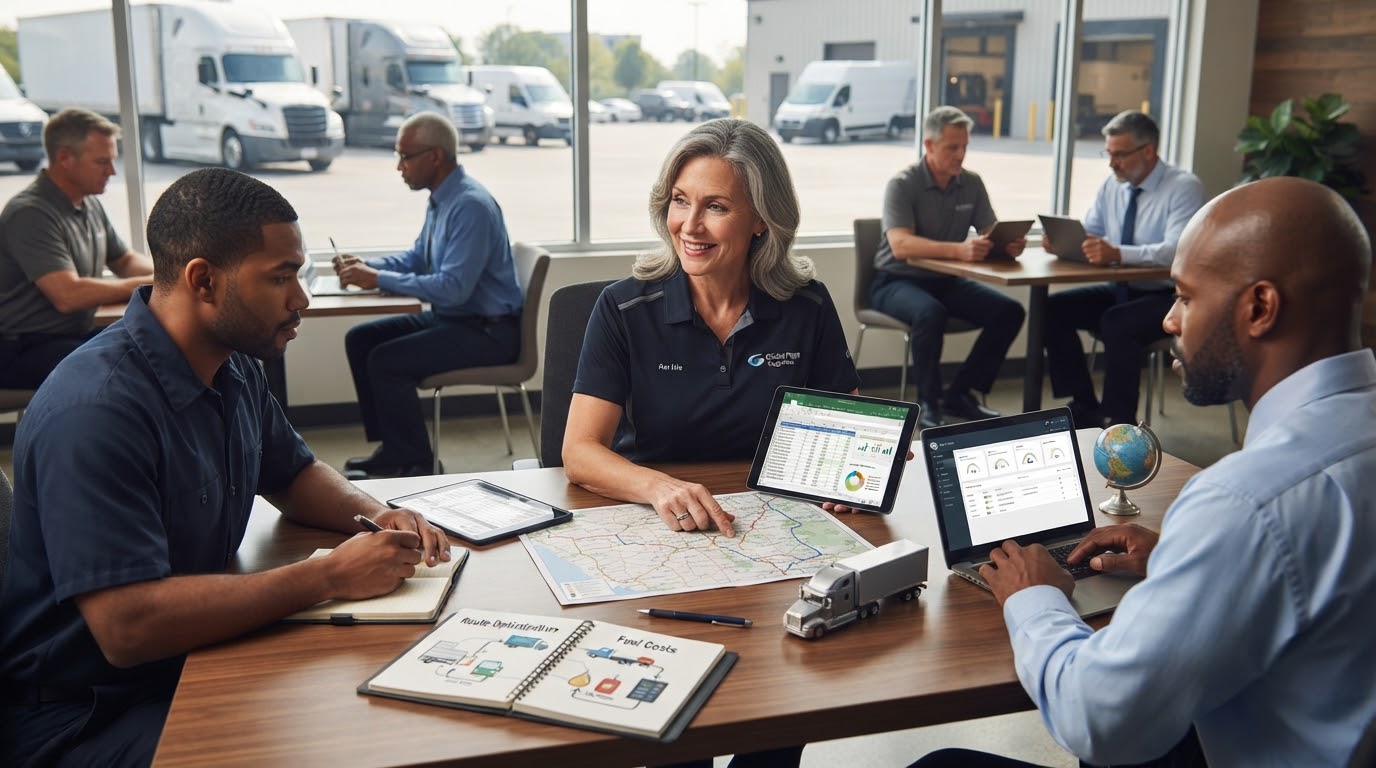
A professional driver may spend most of the day on the road, but the decisions made before, during and after each trip can determine how successful the work becomes. From managing fuel expenses to maintaining customer relationships, driving involves responsibilities that go beyond operating a vehicle.
Developing an entrepreneurial mindset can help drivers approach these responsibilities differently. It encourages them to recognise opportunities, manage resources carefully, solve problems and make decisions with long term business goals in mind.
This is why professional drivers should begin to see their work as a business, even when they do not own the vehicle or operate a registered transport company.
Thinking like a business owner starts with understanding that daily earnings are not the same as profit. A driver may collect a reasonable amount in fares but still have little left after fuel, repairs, feeding, vehicle payments and other expenses. Keeping records of income and spending can help drivers understand how much they actually make and where their money goes.
It also helps them identify expenses that can be reduced without affecting the quality of their service. For example, planning trips properly, avoiding unnecessary movement and keeping up with vehicle maintenance can help reduce avoidable costs.
Another important business responsibility is setting prices and negotiating fares carefully. Drivers should understand the costs involved in providing their services before agreeing to a price. Accepting every job without considering distance, fuel consumption, waiting time and other expenses may affect their earnings.
Customer service is equally important. Passengers and clients are more likely to remember drivers who are punctual, respectful, communicate clearly and handle complaints professionally. A good reputation can encourage repeat customers and recommendations, creating more opportunities for work.
Drivers should also pay attention to the opportunities around them. Someone who understands the needs of customers in a particular area may identify a demand for scheduled trips, delivery services, corporate transport or other transport related services. However, every opportunity should be assessed carefully before money or time is committed to it.
Business growth also requires planning. A driver who hopes to own a vehicle, employ other drivers or establish a transport company needs to understand the costs and responsibilities involved. This includes vehicle acquisition, maintenance, registration, staffing, customer management and financial planning.
For those considering formal business ownership, understanding the registration process is useful. The Corporate Affairs Commission provides information on registering a business name in Nigeria. Having a clear business structure and keeping proper records can help drivers prepare for future expansion.
Protecting business assets should also be part of the plan. A vehicle is an important working asset, and unexpected damage, accidents or theft can disrupt business operations. Drivers and vehicle owners should understand the protection available to them and review the terms before choosing a policy. Options such as vehicle insurance cover are among the resources they can consider when planning how to manage these risks.
No business grows without learning. Drivers who want to take on greater responsibilities can improve their knowledge of customer relations, digital tools, financial management, communication and vehicle operations. They can also learn from other professionals, share experiences and seek guidance when making important decisions.
This is where driver education and professional support can make a difference. VAYA provides training, educational resources and guidance that can help drivers make informed decisions about their work and future. Through VAYA Drivers Club, drivers can also access a community focused on professional development, learning and opportunities.
Thinking like a business owner does not mean every driver must immediately start a company or employ other people. It means taking daily work seriously, understanding the numbers, making thoughtful decisions and preparing for the future.
A driver who manages work with a clear business mindset is better placed to understand challenges, recognise opportunities and make decisions that support steady progress.



Conversation
0 publishedJoin the discussion with a NewsRoomUpdate account. Comments are reviewed to keep the conversation constructive. Sign in to comment