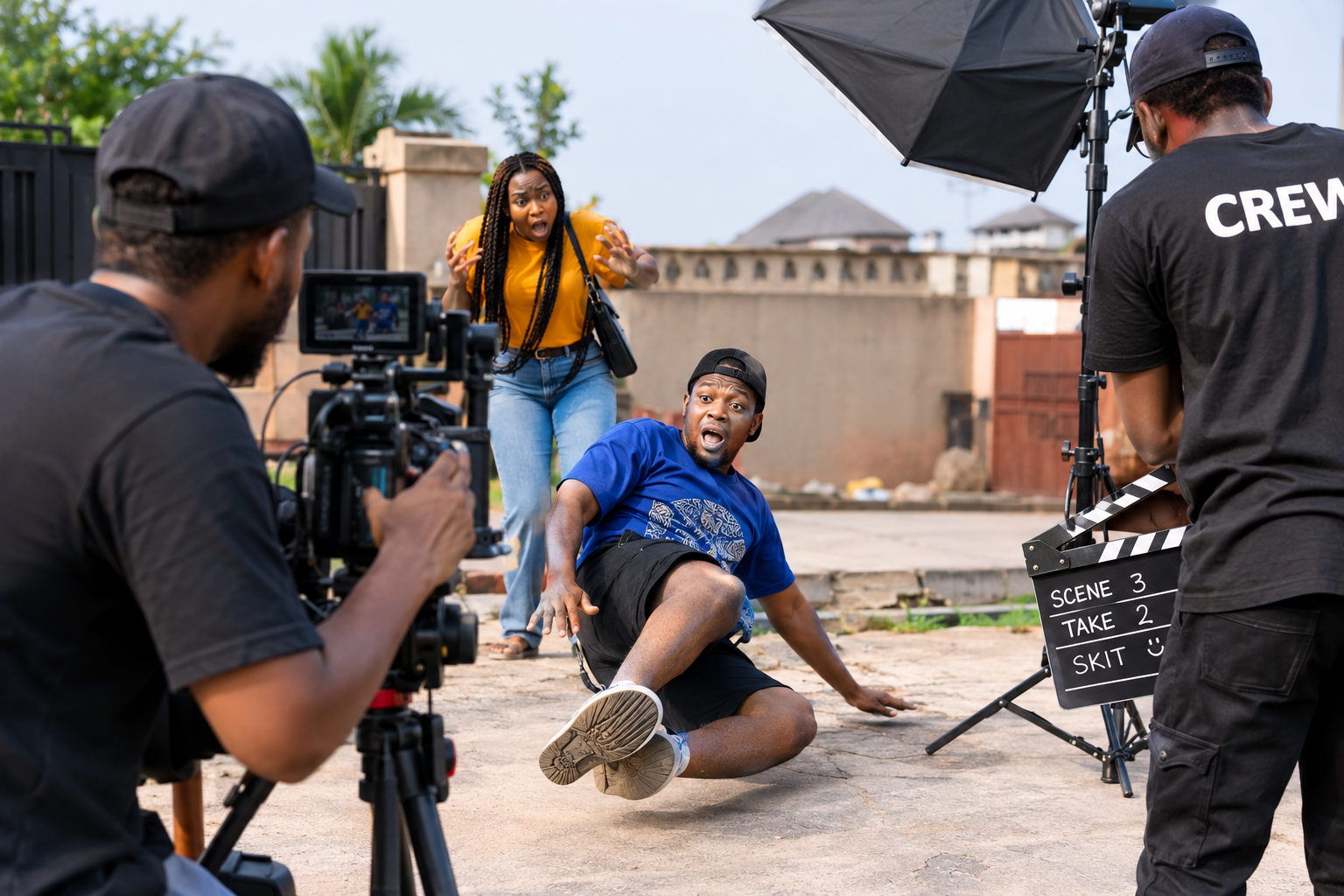
A comedian runs down the street, jumps over an obstacle and narrowly escapes another character chasing him. Moments later, he turns to the camera with a funny expression, leaving viewers laughing uncontrollably.
Within minutes of being uploaded, the video begins attracting thousands of views, comments and shares. For the audience, it is another entertaining skit to enjoy and share with friends.
But what viewers may never see is what happens behind the camera.
Was the road safe? Did the performer rehearse the scene? What would happen if he slipped, collided with an object or made a wrong move during filming?
These are questions that rarely cross the minds of viewers enjoying comedy online. Yet, for the people creating these videos, such risks can be part of the production process.
Across Nigeria, skit makers have transformed everyday experiences into a thriving form of digital entertainment. Their creativity has earned many of them recognition, business opportunities and loyal audiences.
However, behind the laughter is an industry where the pressure to entertain millions can sometimes push creators into physically demanding situations.
HOW SKIT MAKING BECAME BIG BUSINESS IN NIGERIA
Not too long ago, becoming a recognised comedian often meant finding opportunities in television, radio, live performances or the film industry.
Today, a talented young Nigerian can use a smartphone, a creative idea and an internet connection to reach audiences far beyond their immediate community.
Platforms such as TikTok, Instagram, Facebook and YouTube have changed how comedy is produced, distributed and consumed.
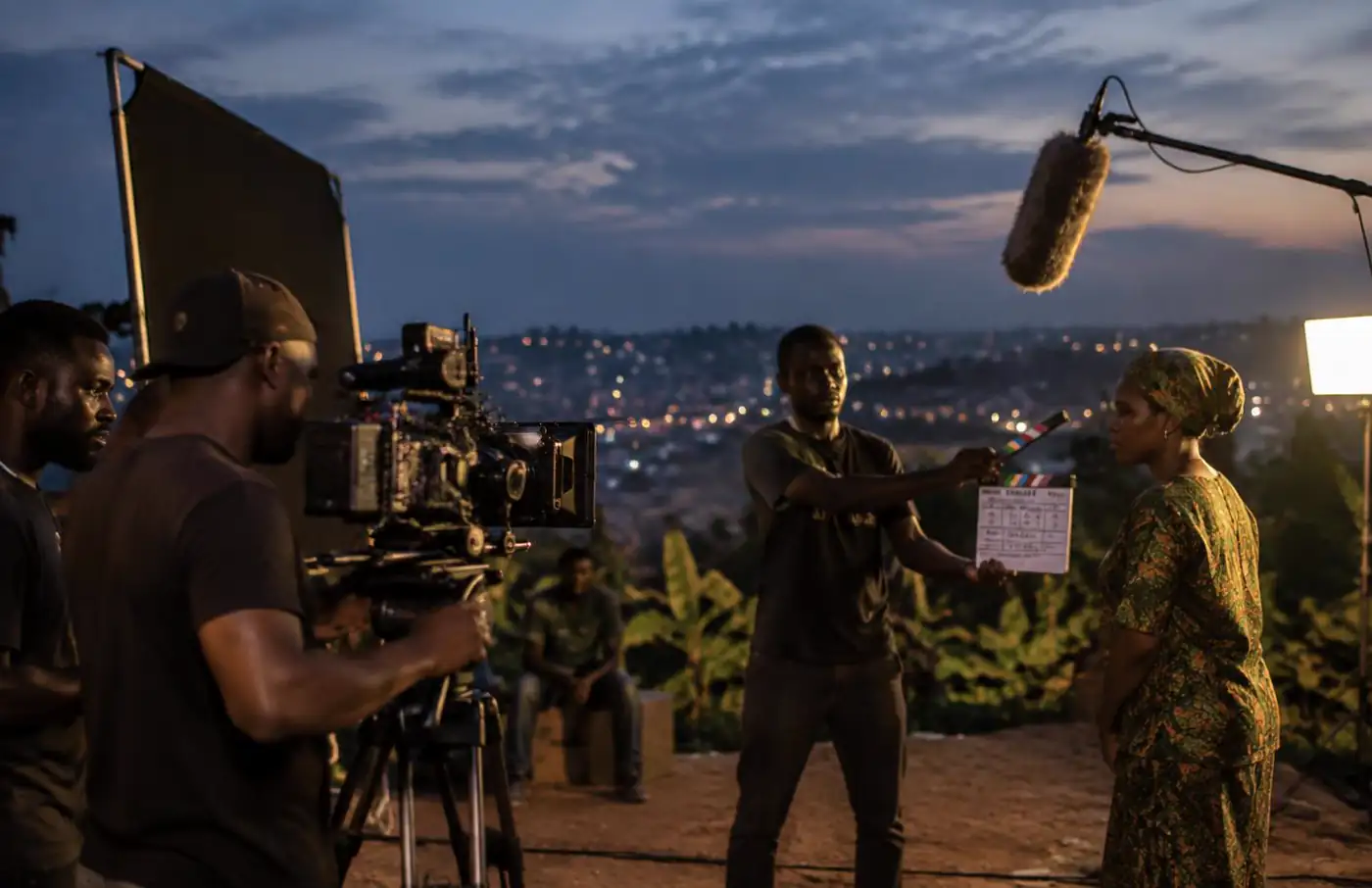
What started as short, humorous videos has developed into a competitive creative industry. Many skit makers now work with actors, camera operators, editors, scriptwriters and production assistants to bring their ideas to life.
For some, the business extends beyond social media views. Advertising deals, brand partnerships, promotional campaigns and other commercial opportunities have made skit making an attractive career path for young Nigerians.
But with greater opportunities comes increased competition.
Every day, creators are searching for ideas that will capture attention, generate engagement and keep their audiences interested. A video that performs well today may be forgotten tomorrow as viewers move on to the next trending sensation.
In this environment, some creators may feel compelled to make their performances bigger, louder or more dramatic to remain relevant.
That pressure can become a problem when entertainment begins to take priority over safety.
WHEN A FUNNY SCENE BECOMES A DANGEROUS ONE
Comedy often works by exaggerating ordinary situations. A simple misunderstanding can turn into a chase, an argument can become an exaggerated confrontation, and a harmless prank can develop into a dramatic performance.
On screen, these scenes may appear effortless. Behind the scenes, however, they can require repeated takes, careful coordination and physical effort.
A performer asked to fall during a scene could land awkwardly. Someone running across an unfamiliar location could trip over an object. A poorly planned sequence involving vehicles or a crowded road could expose performers and bystanders to danger.
Even scenes that appear harmless can become risky when several people are moving around cameras, lighting equipment and other production materials.
The danger is not necessarily in comedy itself. It is in failing to recognise that a staged performance still involves real people, real environments and real consequences.
A scene that looks convincing does not have to place a performer in genuine danger. With thoughtful scripting, safe locations and proper preparation, creators can produce entertaining videos without exposing themselves or others to unnecessary harm.
THE PRESSURE TO GO VIRAL
For many digital creators, success is measured publicly.
View counts, comments, shares and follower numbers can influence how a video is received and how attractive a creator appears to potential advertisers.
When a skit attracts widespread attention, its success can encourage the creator to explore similar ideas. But in a highly competitive environment, there may also be pressure to produce something even more surprising the next time.
This is where the pursuit of online popularity can become dangerous.
A creator might feel that an ordinary conversation is not entertaining enough, while a dramatic chase, a risky stunt or an extreme reaction could attract more attention.
However, not every dangerous performance is deliberate, and not every creator is willing to compromise personal safety for views. The concern is that an industry driven partly by audience engagement can create incentives for increasingly dramatic content.
The important lesson is that virality should never become the only measure of success.
A well-written script, a memorable character, sharp dialogue and relatable storytelling can make a skit successful without requiring dangerous stunts.
In the long run, creativity and professionalism offer a stronger foundation for success than unnecessary risk-taking.
WHAT HAPPENS WHEN PRODUCTION SAFETY IS IGNORED?
Producing a comedy video involves more than pointing a camera at performers and pressing the record button.
Locations must be assessed, scenes must be planned, and everyone involved should understand what is expected of them.
When these preparations are neglected, a simple mistake can lead to an avoidable accident.
For example, a scene involving running should be filmed in an area where performers can move safely without colliding with traffic, pedestrians or hidden obstacles.
Where vehicles are involved, the production team should consider traffic management and appropriate professional supervision. Scenes involving heights, physical confrontation or specialised stunts require even greater care and, where necessary, trained professionals.
Creators should also ensure that performers understand the actions they are expected to carry out. Rehearsals can help identify potential problems before filming begins.
First-aid supplies, an emergency plan and knowledge of how to contact emergency services can also make a difference when something goes wrong.
These measures are not signs of weakness or a lack of creativity. They are part of responsible production.
A few additional minutes spent planning a scene may prevent an injury that could interrupt a creator’s career or affect their ability to work.
THE HIDDEN COST OF CONSTANT CREATIVITY
Physical danger is only one part of the challenge. The demands of producing content can also affect a creator’s health and emotional well-being.
Behind a short video may be hours of brainstorming, writing, rehearsing, filming and editing. Some creators must also negotiate brand deals, respond to messages, manage their social media accounts and plan their next uploads.
For those working with small teams or limited resources, several responsibilities may fall on the same person.
The pressure to remain visible online can make rest feel like a disadvantage. Creators may worry that taking a break will cause their audience to lose interest or give competitors an opportunity to gain more attention.
Over time, exhaustion can affect concentration, decision-making and performance. Fatigue may also increase the likelihood of mistakes during physically demanding scenes.
Maintaining a sustainable career requires creators to recognise that their health is part of their livelihood.
Reasonable working hours, adequate rest, realistic production schedules and medical attention when necessary should not be treated as optional extras.
An audience may enjoy a creator’s videos, but it is the creator’s well-being that makes it possible to keep producing them.
LESSONS FOR THE NEXT GENERATION OF SKIT MAKERS
For young Nigerians hoping to enter the entertainment industry, skit making offers an opportunity to turn creativity into a profession.
However, building a lasting career requires more than finding a trending sound or copying a popular format.
Upcoming creators need to develop their storytelling abilities, understand their audiences and learn how to make ordinary experiences entertaining.
They should also become familiar with basic production planning and work with dependable people who understand their responsibilities.
Most importantly, they need to understand that expensive equipment and dangerous stunts are not necessary ingredients for good comedy.
A funny exchange between neighbours, an awkward family conversation, a familiar workplace experience or a clever misunderstanding can become memorable content when performed well.
Originality, timing and relatable characters often give comedy its lasting appeal.
Learning how to create engaging videos safely can also help young creators build a reputation for professionalism, making it easier to sustain their careers as opportunities grow.
VIEWERS ALSO INFLUENCE THE INDUSTRY
Although creators make the final decisions about what they film, audiences play an important role in determining which videos receive attention.
A skit that attracts thousands of shares can encourage others to explore similar ideas. When dangerous behaviour is celebrated without considering its consequences, some creators may feel pressure to imitate it.
Viewers can help change this pattern by supporting originality, good acting and clever storytelling rather than rewarding dangerous performances simply because they are shocking.
Parents and guardians can also discuss online content with younger viewers, helping them understand the difference between staged entertainment and behaviour that should not be copied in real life.
This does not mean comedy should become predictable or lose its excitement. Instead, it means recognising that entertaining content can be creative without placing people in unnecessary danger.
Responsible audiences and responsible creators can help build a healthier digital entertainment culture.
BUILDING A SAFER FUTURE FOR NIGERIAN COMEDY
Nigeria’s skit-making industry reflects the resourcefulness and creativity of a generation that has found new ways to tell stories and build businesses.
Digital platforms have opened doors for performers who might otherwise have struggled to find an audience. They have also created opportunities for people working in filming, editing, marketing and other areas of content production.
As the industry continues to develop, professional standards should grow alongside its commercial success.
Creators can make safety a routine part of planning. Production teams can establish clear responsibilities, assess filming locations and prepare for emergencies. Brands and collaborators can also encourage responsible production practices when commissioning content.
These changes do not require comedy to lose its spontaneity. Good preparation can give performers greater confidence to express themselves while reducing avoidable risks.
The goal is simple: to ensure that the people creating entertainment can continue doing what they love without sacrificing their health and safety.
CONCLUSION: THE BEST LAUGHTER SHOULD NOT COME AT A COST
Every funny video has a story behind it. There are ideas to develop, scenes to rehearse, people working behind the camera and performers hoping to give their audiences a memorable experience.
For millions of Nigerians, skit makers provide a welcome escape from the pressures of everyday life. Their work deserves appreciation, but their safety deserves attention too.
As the industry grows, creators must remember that no number of views is worth risking a life or sustaining a preventable injury.
Audiences, production teams and commercial partners also have a role to play in encouraging safer and more responsible entertainment.
Ultimately, the most successful comedy is not necessarily the skit with the most shocking stunt or the greatest physical risk. It is the one that makes people laugh through creativity, originality and storytelling.

Conversation
0 publishedJoin the discussion with a NewsRoomUpdate account. Comments are reviewed to keep the conversation constructive. Sign in to comment