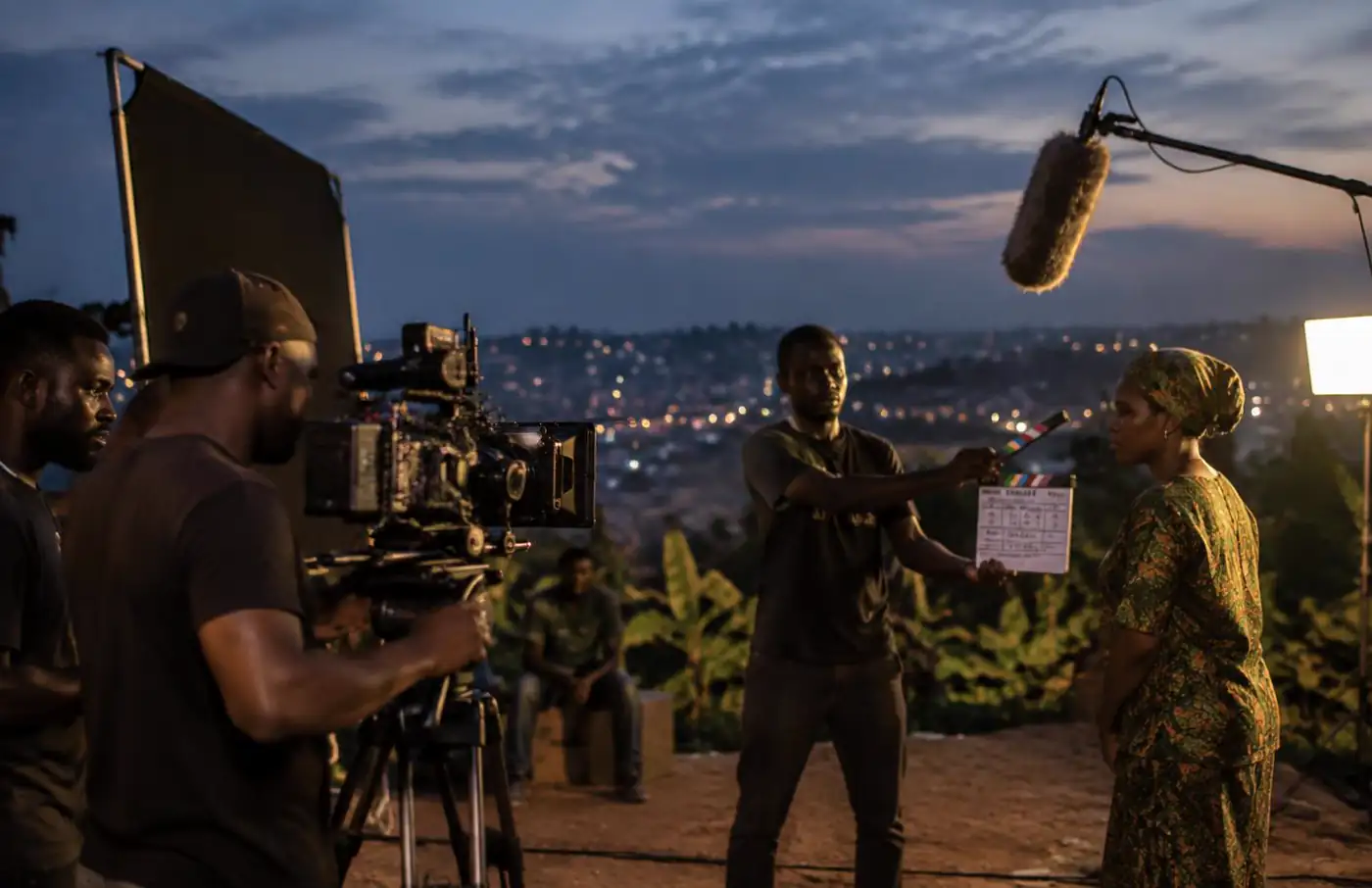
A shift in who controls distribution is changing the economics of Nigerian film more than any increase in production spending.
For two decades, Nigerian producers made films quickly and sold them outright. The current generation is doing the opposite: fewer titles, longer schedules and contracts that keep the rights in the producer's hands.
The result is visible in licensing revenue. Producers who retained international rights on titles released two years ago are still earning from them, while outright sales ended at delivery.
Craft follows the money
Longer shoots have allowed proper sound recording, colour grading and post-production schedules that survive international quality checks. Two studios have built in-house post facilities rather than sending work abroad.
Training has become a bottleneck. Demand for qualified sound engineers, editors and production accountants outpaces supply, and several producers now fund apprenticeships directly.
“We are not chasing prestige. We are building a catalogue that still pays us in five years.”Ngozi Ibekwe, independent film producer, Lagos
What to watch
Festival selections this season include four Nigerian titles with secured international distribution before their premieres, a reversal of the usual order.
Sources and documents
- Distribution contracts described to NewsRoomUpdate by two producers
- Streaming platform regional viewing reports
Spotted an error? Tell us and read our corrections policy.

Conversation
0 publishedJoin the discussion with a NewsRoomUpdate account. Comments are reviewed to keep the conversation constructive. Sign in to comment