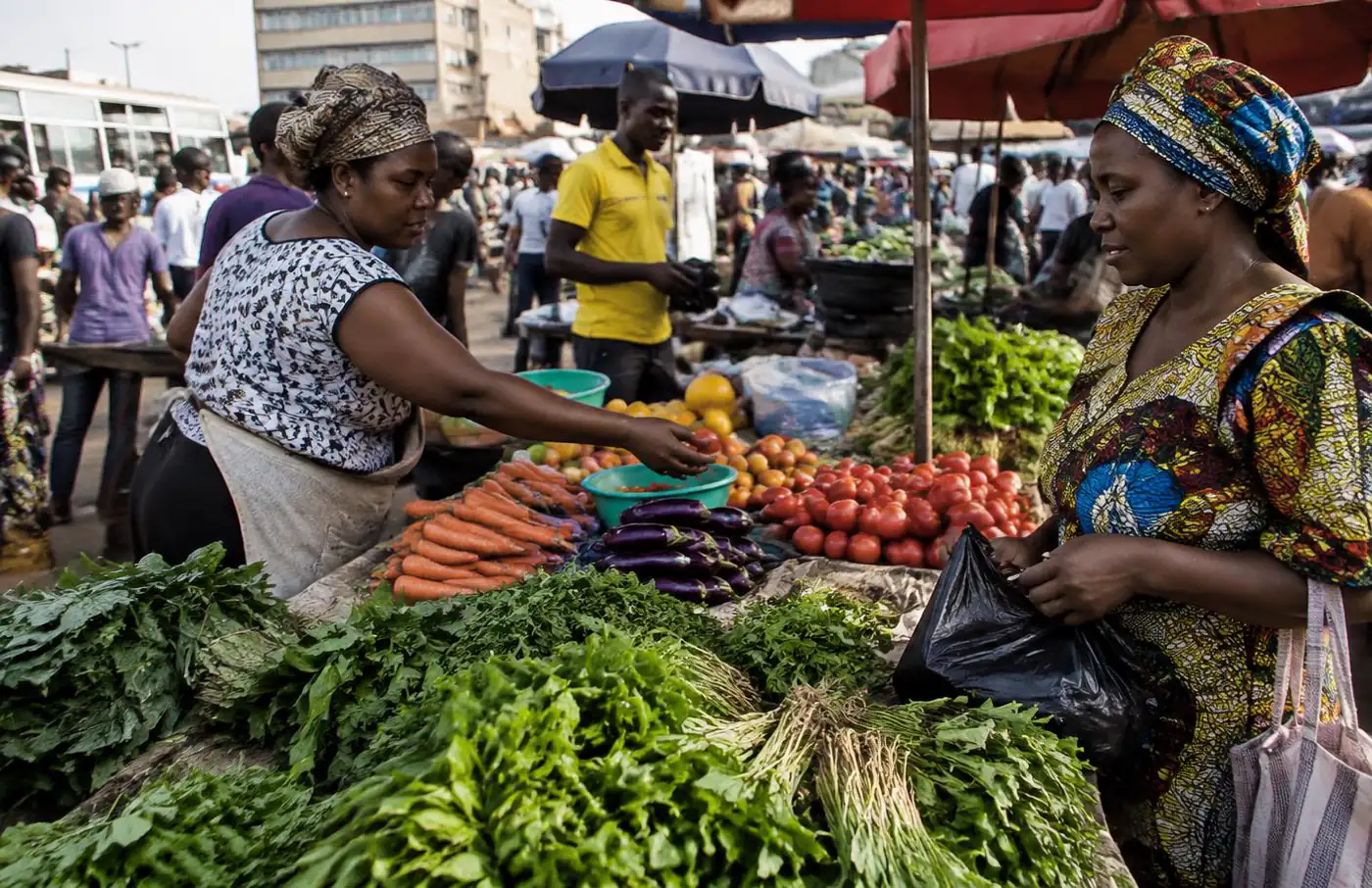
Food inflation has cooled for four consecutive months, but the buying patterns formed during the squeeze are proving durable.
In markets across Lagos and Ibadan, traders describe customers who still buy in larger quantities and split the cost with neighbours, a practice that spread quickly when staple prices doubled.
Cooperative buying groups, often organised through workplace or estate messaging groups, now negotiate directly with wholesalers. Members report saving between fifteen and twenty-five per cent against retail.
What is actually cheaper
Grains, tomatoes and cooking oil have fallen furthest from their peaks as the harvest arrived and transport costs eased. Protein has moved least, and frozen fish remains above last year's level.
Nutritionists caution that the shift toward cheaper carbohydrates during the spike has not fully reversed, and that the affordability of protein is the measure worth watching.
“People learned to shop like planners. That knowledge does not disappear when prices fall.”Bisi Adewale, secretary, Bodija Market Traders Association, Ibadan
Practical habits that stuck
Weekly rather than daily buying, splitting bulk purchases, and cooking in batches are the three changes shoppers most often said they intend to keep.
Sources and documents
- National Bureau of Statistics consumer price index
- Market surveys conducted by NewsRoomUpdate reporters
Spotted an error? Tell us and read our corrections policy.



Conversation
0 publishedJoin the discussion with a NewsRoomUpdate account. Comments are reviewed to keep the conversation constructive. Sign in to comment