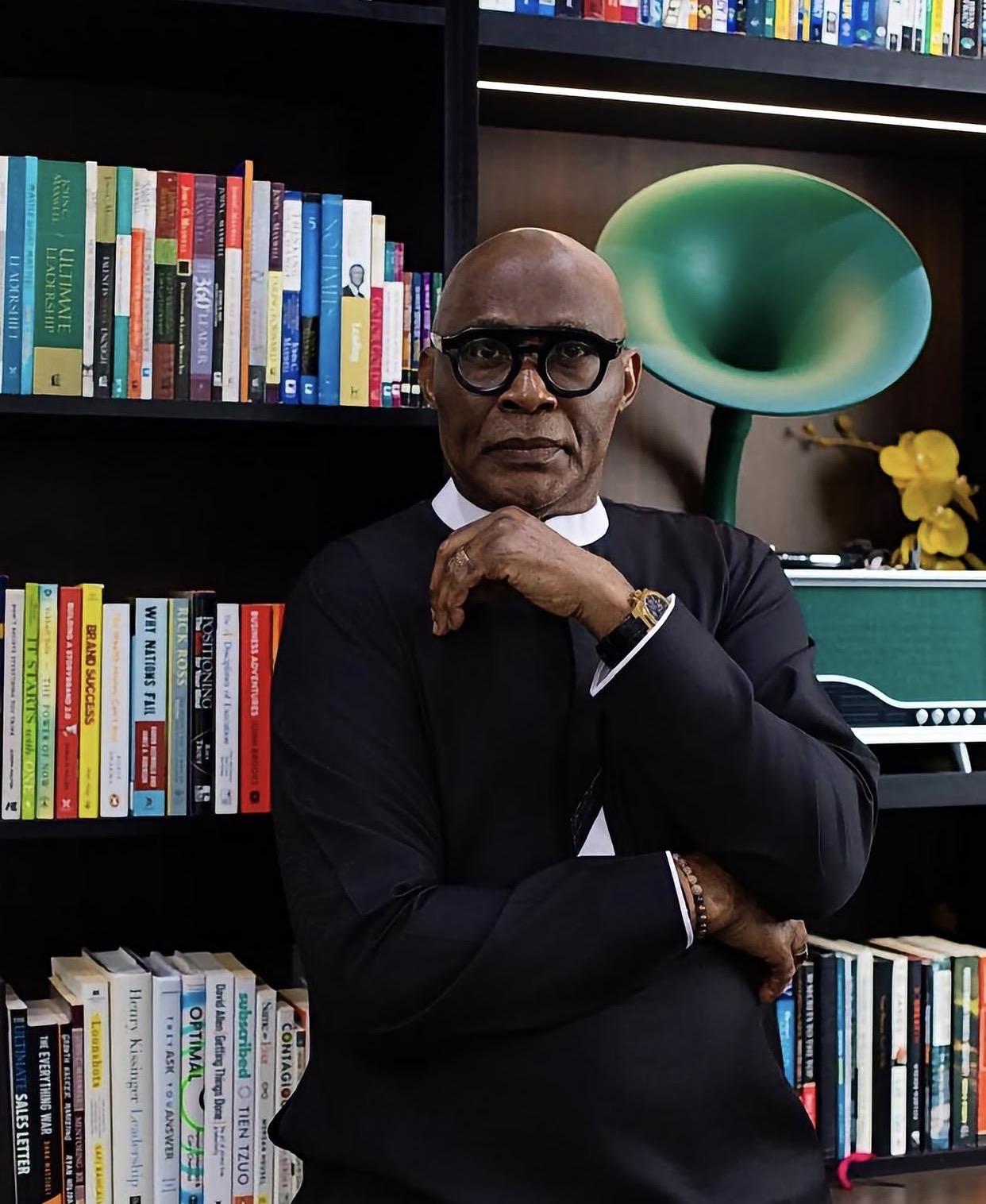
Veteran Nigerian actor and filmmaker Richard Mofe-Damijo (RMD) has called for stronger protection of intellectual property and better revenue transparency in Nollywood.
RMD made the call while delivering the keynote address at the sixth Peace Anyiam-Osigwe Nigeria Digital Content Regulation Conference in Lagos on Wednesday, November 18, 2026.
The two days conference, organised by the National Film and Video Censors Board (NFVCB), was held at the Shell Hall, MUSON Centre, Onikan, under the theme, Film and Content Production in the Digital Era: Balancing Regulation and Innovation.
Speaking about the challenges facing Nigeria’s creative industry, RMD said stakeholders must pay closer attention to how creative work is owned, distributed and monetised.
He raised questions about who controls intellectual property, how distribution rights are managed, how royalties are tracked and how creators are protected when their work is distributed across different countries.
He stressed that writers, producers, directors and filmmakers should receive fair returns from the commercial success of their work.
RMD Identifies Piracy as a Major Threat to Nollywood
Richard Mofe-Damijo also described piracy as a serious challenge to the industry’s growth.
He explained that the unauthorised copying and distribution of films and other creative works reduce their commercial value, discourage investment and affect the earnings of people responsible for producing them.
According to the actor, the expansion of digital platforms has created more opportunities for Nigerian content to reach international audiences. However, it has also made ownership, licensing and revenue tracking more complicated.
He called for stronger cooperation between regulators, law enforcement agencies, digital platforms, rights holders and industry associations to tackle piracy and improve the protection of creative work.
NFVCB Calls for Greater Collaboration Across the Industry
Also speaking at the conference, NFVCB Executive Director, Shaibu Husseini, said Nollywood’s future depends on cooperation among the different groups involved in producing and distributing content.
He noted that filmmakers alone cannot build a sustainable industry without the support of investors, distributors, exhibitors, technology companies, regulators and audiences.
The conference also examined issues such as artificial intelligence in content creation, streaming platforms, digital distribution, content monetisation, intellectual property protection and digital safety.
The gathering brought together filmmakers, actors, content creators, legal experts, distributors and other stakeholders to discuss how Nigeria’s creative industry can adapt to changes in technology without weakening professional standards or creative freedom.
Why Creators’ Rights Matter to Nollywood’s Future
The concerns raised by RMD highlight an important question for Nollywood.
How can the industry continue to grow internationally while ensuring that the people who create its films and stories benefit financially?
As more Nigerian productions become available through cinemas, streaming services and digital platforms, clear ownership agreements, proper licensing and reliable royalty systems are increasingly important.
Stronger protection for creative work could help attract investment, support filmmakers and ensure that the industry’s growing reach translates into more sustainable opportunities for its creators.
Conversation
0 publishedJoin the discussion with a NewsRoomUpdate account. Comments are reviewed to keep the conversation constructive. Sign in to comment