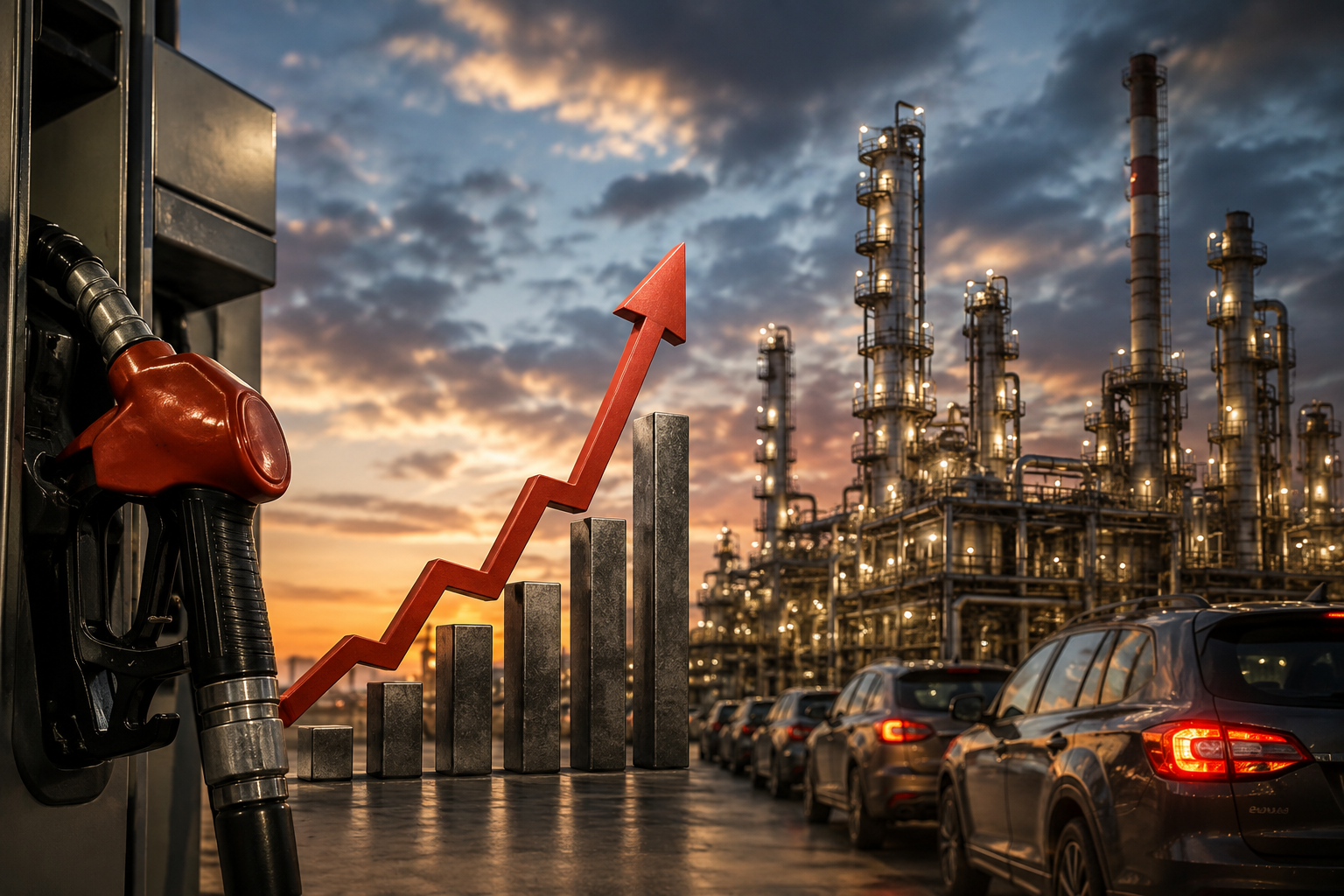
It sounds like a contradiction. The refinery is working, and the queue at the filling station is not getting cheaper.
It is not a contradiction. It is a chain. The refinery is one link in that chain, and every other link costs money too.
How Much The Refinery Actually Processes
The Dangote refinery was designed to process 650,000 barrels of crude a day. In June 2026, the company said it reached 700,000 barrels a day during a performance test.
That is real capacity. It is also only capacity. A performance test shows what a plant can do during the exercise. It does not promise the same output every single day.
The plant was inaugurated in May 2023, began producing diesel and aviation fuel in January 2024, and added petrol in September 2024. The project cost about 20 billion dollars, according to reporting at the time.
What Decides The Price at the Pump
Four things, and the refinery controls only one of them.
The price of crude on the world market. Fuel is priced against a global benchmark, and Nigerian crude carries a global value whether it stays home or not.
The exchange rate. Refiners buy equipment, spare parts and sometimes crude with dollars. When the naira moves, those costs move with it.
Getting the fuel to you. Trucks, depots, filling stations and the margin at every step sit between the refinery gate and your tank.
Taxes and levies. These are set by government, not by the refinery.
The Exchange Rate Is The Hidden Cost
The naira has been steadier than it has been in years. The gap between the official window and the parallel market held under three per cent for eleven consecutive weeks, the longest run since the exchange rate was reformed.
That steadiness came from stronger dollar supply and from non-oil exports, which posted their best quarter in two years, led by processed farm goods, fertiliser and cocoa products.
Steady is not the same as strong. A refinery buying parts abroad still pays in dollars. A transporter buying tyres still pays a price that was set with the exchange rate in mind.
Borrowing is the other half of the cost. Commercial lending rates for small manufacturers sit well above twenty per cent, which means a transport business buying a truck pays heavily for the money before the truck earns anything.
Why The Naira-for-Crude Deal Has Not Fixed It
The naira-for-crude arrangement was introduced in October 2024 to let local refiners buy crude in naira instead of dollars.
The intention was sound. Keep the transaction in local currency, reduce demand for dollars, and make fuel cheaper to produce.
In practice, the volumes did not match the need. In July 2026, the Dangote refinery began pricing its domestic fuel sales in dollars, citing inadequate supply through the programme and the mismatch between buying crude in dollars and selling fuel in naira.
That mismatch is the problem in one line. Buy in dollars, sell in naira, and every currency movement lands on the seller's account.
What The Central Bank Does Next
Inflation has eased for four straight readings. The monetary policy committee meets next month, and analysts expect the first rate cut of the cycle, with the pace tied to how the economic reform bill passes.
A rate cut does not lower the price of petrol. It lowers the cost of borrowing, slowly, for the businesses that move fuel, store it and finance vehicles.
That is why the decision matters more to a transporter than to a driver at the pump. The effect travels through loans, not through the nozzle.
What A Driver Can Do About It
You cannot set the price. You can control how much of it you burn.
Check tyre pressure every week, service the engine on time, empty the boot of unnecessary weight, and group errands into one trip instead of five. A smooth driver spends less than an aggressive one on the same road, and the difference shows up every month.
Parts and car care products are listed in Automotive on Trevora, so you can price a filter, a tyre or a service before you reach the mechanic and hear a number invented on the spot.
For a household, fuel is not only what goes into a car. It moves food to the market and sets the fare to work. Every naira added at the pump arrives at the bus stop within weeks.
The Proof
In September 2026, reporting showed that Nigerian fuel prices had risen while the refinery was operating at high capacity.
That single fact answers the question in the headline. More local refining improves supply. It does not, by itself, set the price.
Why Local Refining Still Matters
Local refining keeps industrial work inside the country. It cuts how much finished fuel has to be shipped in. It creates jobs in maintenance, transport and technical services. It gives Nigeria a say in a market where it used to be only a customer.
What it does not do is cancel the world price of crude or the exchange rate.
A full refinery is good news. It is not a price control.
The pump price is built by crude, currency, transport and tax, all at once. Anyone who tells you one of those explains everything is selling you a simple answer to a complicated bill.


Conversation
0 publishedJoin the discussion with a NewsRoomUpdate account. Comments are reviewed to keep the conversation constructive. Sign in to comment