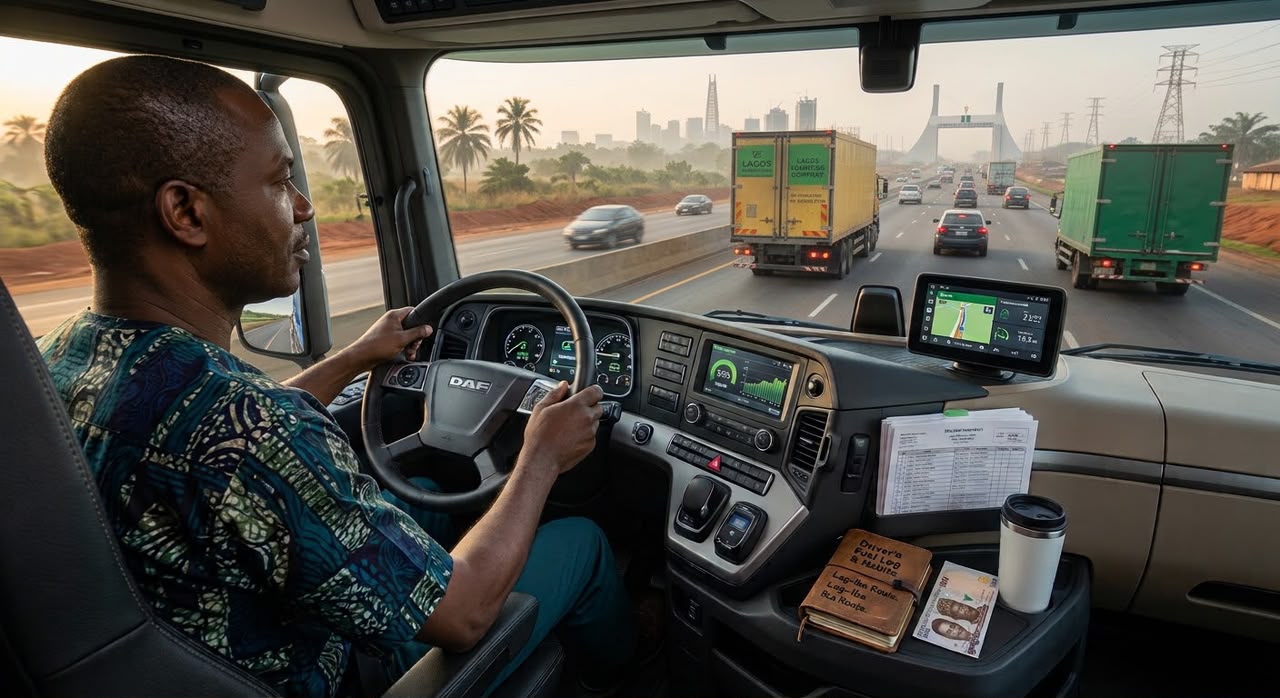
A driver cannot set the price of petrol. A driver can decide how much of it becomes motion and how much of it becomes waste.
The difference is not one big trick. It is a dozen small habits, repeated until they become how you drive.
Start With The Car Itself
Check tyre pressure every week, while the tyres are cold. Soft tyres drag, the engine works harder, and the fuel goes into heat instead of distance. If you are not sure how to check your tyre pressure, the method takes five minutes, and the saving on fuel covers the effort before the month is out.
Service on time. A dirty air filter, worn plugs and old oil all make an engine drink more than it should. The service you skip today is the extra litre you buy next week. It also helps to know what a filter a tyre or a service should cost before you reach the mechanic, so the number you hear is one you can check rather than one you have to accept.
Empty the boot. Bags of cement, old parts, heavy speakers and the spare gearbox you never used all cost fuel to carry. If you do not need it this week, take it out.
Fix the small leaks. A failing sensor or a sticking brake caliper can quietly steal fuel for months before it becomes an obvious fault.
How You Drive Matters More Than What You Drive
Move away gently and keep one steady speed. Racing to a red light and braking hard burns fuel to arrive at the same stop, one minute earlier.
Look ahead, not just at the car in front. A driver who sees the light change early lifts the foot early, and saves the fuel that the sudden brake would have wasted.
Switch off when you are waiting. Ten minutes of idle while a passenger finishes shopping is money going up in smoke.
Use the air conditioner wisely. On a highway, closed windows and air conditioning usually cost less than open windows at speed. In slow traffic, a window can be enough.
Plan The Trip, Not Just The Route
Group your errands. Several short trips with a cold engine burn more than one long trip with a warm engine.
Start with the furthest point and work back towards home.
Use the road you know, even if it is longer. A free-moving longer road often costs less than a short road that is jammed.
Fill in the cool hours where you can. Fuel expands with heat, and a midday fill gives you slightly less for the same money.
Keep The Papers In Order
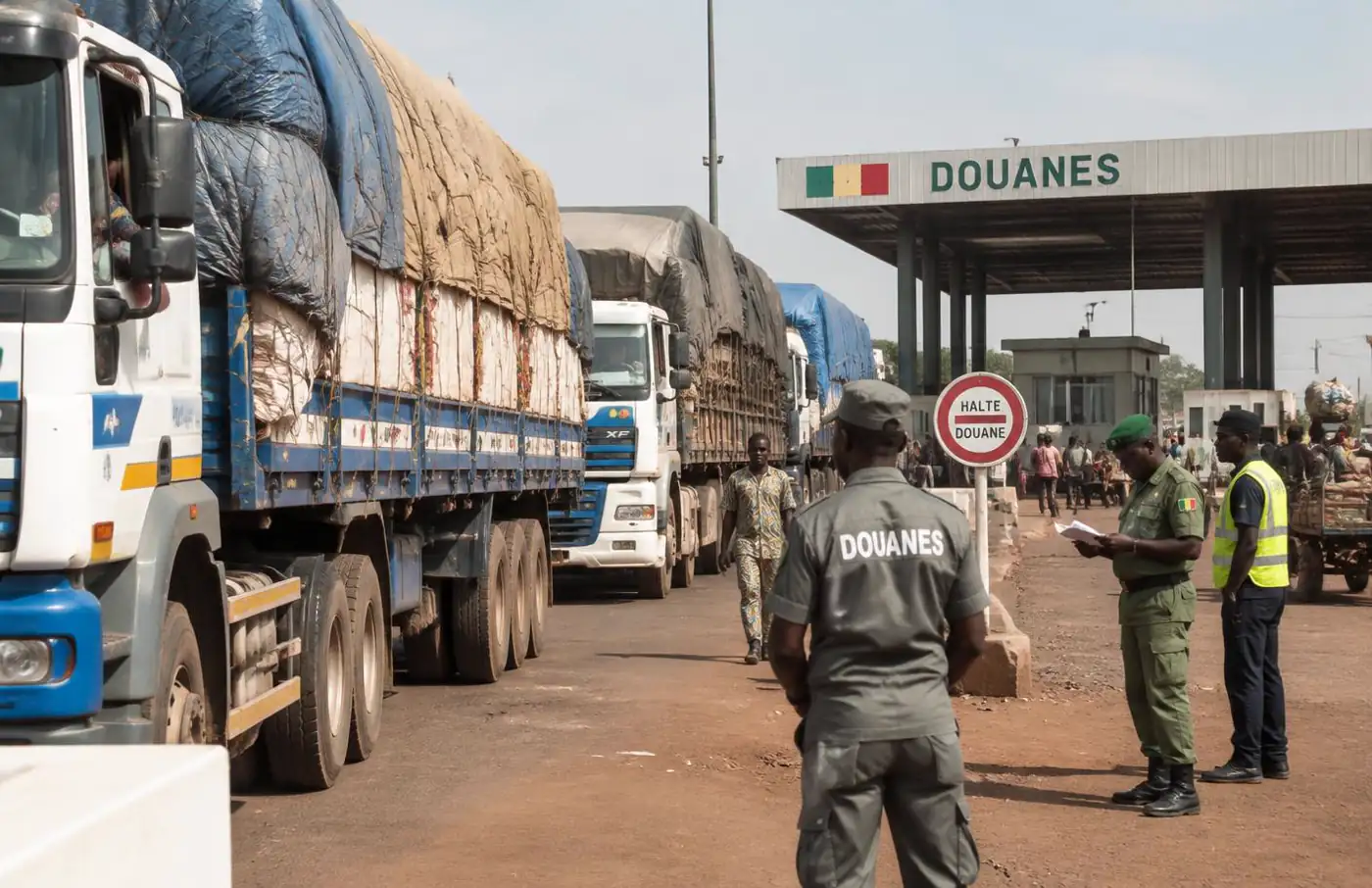
A long stop at a checkpoint costs fuel and time. Essential documents should be valid, in the car and easy to reach, so the stop is short and the engine is not idling through a conversation.
Fuel efficiency is a professional skill, not a personal virtue, and it is one of the practices the VAYA Drivers Club puts inside its Grow and Protect pillars.
The club teaches the habits that protect the vehicle and the income at the same time, and it explains them in short lessons built for a phone. The club describes this as education and guidance. VAYA does not sell fuel and does not promise savings on your tank.
As a VAYA Member, you can open the Learning Centre and work through the professional driving lessons, then use the dashboard to ask the team a question about your own vehicle or route. A driver who understands why the fuel goes can change what he does tomorrow, not next year.
The Number To Watch
Do not trust a feeling. Fill the tank, note the odometer, and drive normally for one week. Fill again and divide.
That single number tells you more than any advice, because it is your car, your route and your traffic. Change one habit each week and watch the number move. Most drivers find the waste sits in two places: the way they move away from a stop, and the weight they carry without needing it.
The habits above are not new, and they are not clever. They are just rarely done together, for long enough, by the same driver.
The price is not in your hands. The waste is.

Conversation
0 publishedJoin the discussion with a NewsRoomUpdate account. Comments are reviewed to keep the conversation constructive. Sign in to comment